
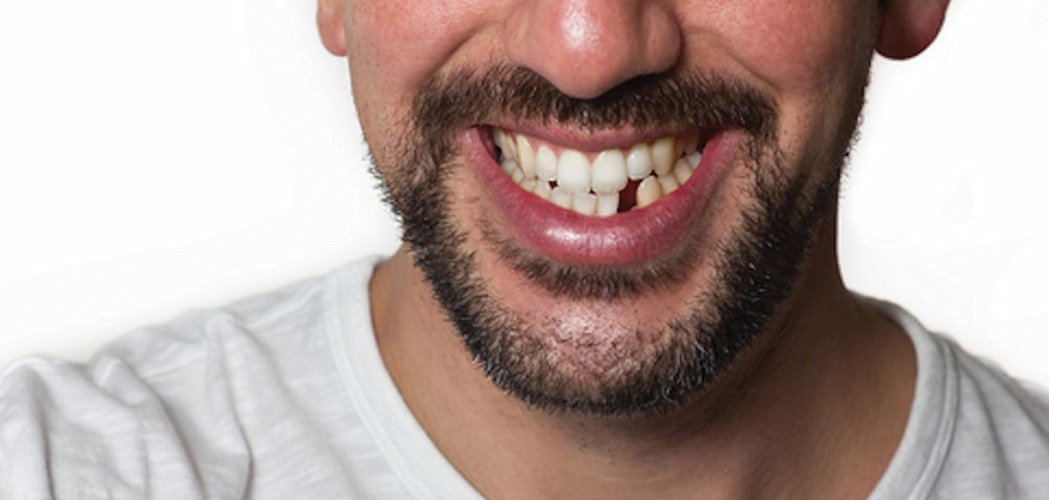
A dental emergency never picks a good time. You bite down on something hard and hear a crack. Your kid walks in from soccer practice missing a tooth. Or you wake up in the middle of the night with your jaw throbbing so bad you can’t fall back asleep.
Here’s the thing, though. What you do in those first few minutes actually matters. Sometimes it’s the difference between saving a tooth and not.
This is what we tell patients who call our Canton office mid-emergency, plus the steps worth knowing if you’re looking into emergency dental care or trying to reach an emergency dentist and can’t get through right away. During office hours, call us first. Always. After hours is a bit different, and that’s what most of this guide is about.
What Is a Dental Emergency?
A dental emergency is any oral health problem that requires prompt treatment to relieve severe pain, stop bleeding, save a tooth, or prevent the infection from getting worse.
Not everything counts as one. A small chip with zero pain can usually wait for a normal visit. Ongoing bleeding, a tooth knocked loose or all the way out, visible swelling, pain that just won’t quit? Different story. Those need attention now.
On the fence about it? Call anyway. Our front desk gets this question constantly, and most of the time we can tell within a minute or two whether you need to come in today, tomorrow, or just watch it for a while.
We’d rather take an extra phone call than have someone sit at home all night wondering if they should’ve called.
Common Dental Emergencies and What You Can Do About Them
Knocked-Out (Avulsed) Tooth
Time matters a lot here. A permanent tooth knocked completely out has a real shot at being saved, but usually only if it’s back in place within 30 to 60 minutes. So don’t sit around.
✓ Pick it up by the crown, which is the chewing surface. Not the root.
✓ Dirty? Rinse with milk or saline. Skip tap water, and don’t scrub it.
✓ Try slipping it back in the socket if you can, gently. Don’t force it.
✓ Can’t get it back in? Keep it wet in milk, saliva, or a preservation kit.
✓ Move. Time outside the mouth is working against you.
Baby teeth are handled differently. They’re usually not put back in, but call us anyway.
Cracked, Chipped, or Broken Tooth
Find the pieces if you can, and bring them with you. Rinse with warm water. Ice the cheek if it’s swelling. Stay off that side of your mouth, and if there’s a sharp edge, cover it with dental wax so it doesn’t tear up your cheek before your appointment.
Not every break looks bad. Some are barely a chip, others go deep enough to hit the nerve, and honestly it’s not always obvious which is which just by looking. We had a patient once who sat on a chip for almost three weeks because it “didn’t hurt.” It Turns out the crack had already reached the nerve by the time she came in. Get it looked at sooner. That way is cheaper and less painful.
Severe Toothache
Warm salt water rinse first. Then floss gently around the area, since something might be stuck in there causing the trouble. Ibuprofen or Tylenol takes the edge off in the meantime.
Skip the aspirin-on-the-gum trick. A lot of people swear by it, but it doesn’t actually numb anything. It just burns the tissue.
A toothache that comes out of nowhere and won’t fade is usually decay, infection, or a crack you can’t see. Swelling in the face along with the pain points more toward infection, and that’s worth calling about sooner rather than later. When you do call, mention when it started and whether it’s constant or comes in waves. Small stuff like that actually helps us figure things out before you even walk through the door.
Lost Filling or Crown
It’s usually not painful right away. The exposed tooth underneath is just more vulnerable now. Still have the crown? Bring it. We can often just cement it back on. A pharmacy dental cement kit works as a temporary cover, and steering clear of very hot, cold, or sugary food keeps it more comfortable in the meantime. Chewing on the other side for a few days doesn’t hurt either.
Object Stuck Between Teeth
Floss it out. That’s genuinely the whole fix, most of the time. Just don’t grab a pin, a knife, or anything sharp. Too easy to hurt your gums or shove it in deeper instead of getting it out. A couple tries with floss not working? Stop. Let us handle it instead of digging around for twenty minutes.
Bleeding After a Recent Procedure
Had a tooth pulled recently and it’s still bleeding? Bite down on clean gauze, or a damp tea bag, for 20 to 30 minutes. Tea has tannins that help blood vessels close up faster, which is a neat little trick most people don’t know about. Skip rinsing, spitting hard, or drinking through a straw for the rest of the day. Any of those can knock the clot loose, and then you’re back where you started.
Abscess or Swelling
A dental abscess shows up as a painful, pimple-like bump on the gum. Sometimes there’s a bad taste in your mouth, a fever, or noticeable swelling in the face.
Salt water rinses help a little, sure. But an abscess is an infection at its core, and infections don’t just disappear because you waited long enough. It needs actual treatment. Left alone, it spreads. Past the tooth, into the bone, into the surrounding tissue, and in bad cases, further than that.
Here’s the part that trips people up. The pain sometimes fades after a few days on its own. That doesn’t mean it’s gone. Usually it just means the infection found a way to drain somewhere, which honestly isn’t much better.
| A few quick don’ts: Don’t ignore pain that keeps getting worse. Skip the heat on swelling; cold actually works better. Don’t sit on an abscess hoping it clears up by itself, and don’t try gluing a crown back on with household glue. And really, don’t skip the call just because it feels minor. Let us make that call, not you. |
Common Myths About a Dental Emergency
A toothache without any visible damage isn’t automatically minor. Plenty of serious issues, deep decay included, don’t show anything on the surface at all. And a knocked-out tooth isn’t automatically a lost cause either. Timing matters way more than most people assume, as we covered above.
Then there’s the antibiotics thing. A round of antibiotics does not fix a dental infection by itself. It calms things down for a while, sure, but the actual problem is still sitting there. It usually comes right back, sometimes worse than before.
One more worth mentioning: putting ice directly on a painful tooth doesn’t help the way people think it does. It can actually make certain kinds of tooth pain worse. Stick to the outside of the cheek instead.
Preventing Dental Emergencies Before They Start
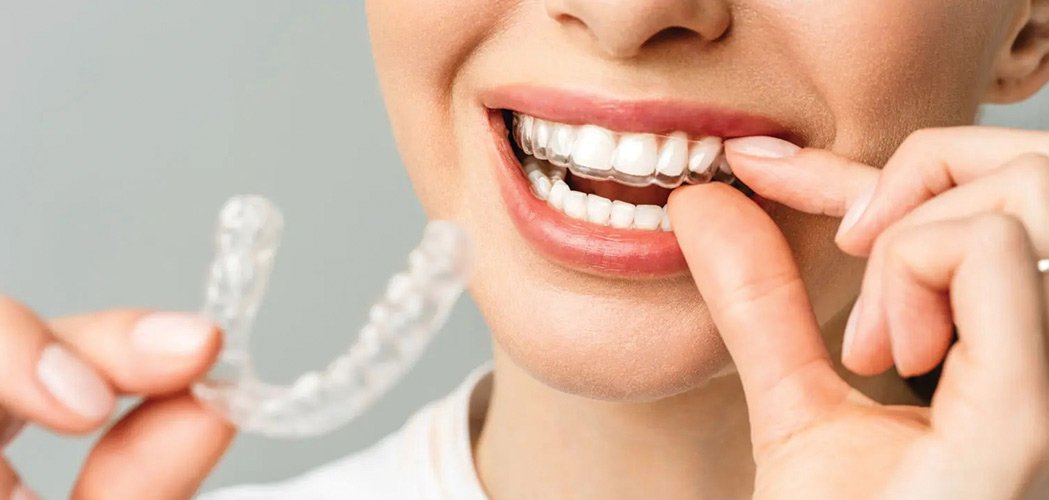
A good chunk of these are avoidable, honestly. Mouthguards during sports, even the casual pickup-game kind, stop a lot of knocked-out and cracked teeth. The American Dental Association (ADA) also recommends mouthguards to help prevent sports-related dental injuries. Cutting back on chewing ice, popcorn kernels, or pen caps saves plenty of molars too. And showing up for regular checkups means small stuff, like a weakening filling, gets caught before it turns into a middle-of-the-night emergency.
Worth keeping a tiny dental kit at home. Some wax, gauze, a bit of saline, and a small container with a lid in case you ever need to transport a tooth. Save our number somewhere easy to find too, not something you’re digging for while you’re already panicking.
Why Fast Action Matters
People underestimate how much time actually matters here. Every extra minute a knocked-out tooth spends outside the mouth lowers its odds. An untreated infection keeps spreading instead of staying put. Even something small, like a lost filling, turns into a bigger cavity the longer it sits exposed.
None of this is meant to scare anyone. It’s just why calling sooner tends to work out better than waiting around to see how things go.
There’s a comfort side too. Dental pain rarely fades on its own with time; it tends to build instead. Catching things early is almost always simpler and cheaper than fixing what’s left after a problem sits for a week or two. Patients who come in early usually walk out with just a filling. Patients who wait sometimes end up needing a root canal.
Finding an Emergency Dentist in Canton, MA
Patients from Canton, Dedham, Milton, Sharon, Stoughton, Randolph, Norwood, Westwood, Braintree, and Brockton call us first when something goes wrong. We’ll walk you through what to do over the phone and get you in as fast as our schedule allows.
If it happens outside our hours and it’s genuinely serious, meaning heavy bleeding, facial trauma, or swelling that affects your breathing, go to the emergency room instead. That level of emergency isn’t something any dental office, ours included, is set up to handle.
Frequently Asked Questions
Q1. How long can I wait before seeing a dentist for a toothache?
Depends how bad it is, honestly. Sharp, constant pain, or pain with swelling, shouldn’t wait more than a day or two. A mild, occasional twinge can usually hold until your next scheduled visit.
Q2. Can a knocked-out tooth really be saved?
Often, yes. Speed is the key factor. Getting it back in place, or getting to us, within 30 to 60 minutes matters most. Keep it moist, don’t touch the root, and try not to poke around in the socket while you’re waiting.
Q3. Is it safe to take ibuprofen for dental pain?
For most healthy adults, yes. On other medications or dealing with a health condition that makes you unsure? Just call us and we’ll point you in the right direction.
Q4. What should I do if my child chips a tooth?
Rinse the area, ice it if it’s swollen, and hold onto any pieces you find. Even if it looks totally fine afterward, get it checked anyway. Damage isn’t always visible from the outside.
Do I need to go to the ER for a dental emergency?
Only for the serious stuff: heavy bleeding, facial trauma, breathing issues. Knocked-out teeth, broken teeth, bad toothaches? That’s dentist territory, not ER territory.
Q6. What if I’m not sure whether my situation is really an emergency?
Call anyway. Guessing wrong costs a lot more than a two-minute phone call ever will.
Q7. Can I prevent most dental emergencies?
A lot of them, yes. Mouthguards for sports, cutting the ice-chewing habit, and sticking to regular checkups catch most problems long before they become emergencies in the first place.
Don’t Wait During a Dental Emergency
Dental emergencies are stressful enough without guessing at what comes next. If you need emergency dental care in Canton, MA, or one of the surrounding towns, Contact Allure Dentistry & Aesthetics at +1 781-739-2215. We’ll get you sorted out, no guesswork required.