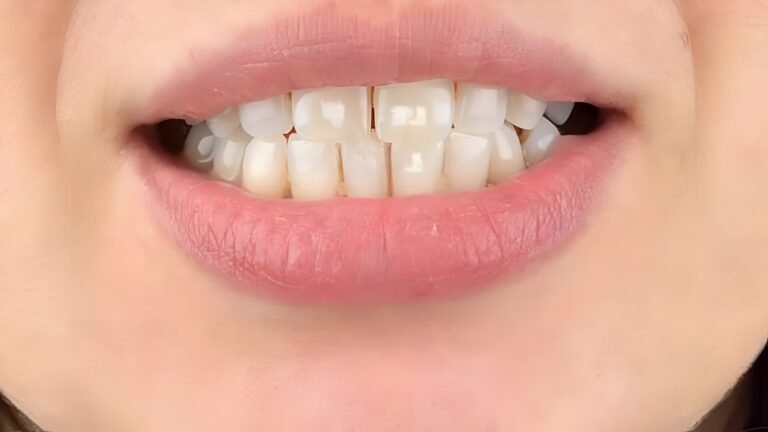
White Spots on Teeth: What They Mean (And What Actually Helps)
Quick Answer: White spots on teeth are usually areas where enamel has lost minerals or developed differently. Plaque acid, braces, fluorosis, and dry mouth are

Quick Answer: White spots on teeth are usually areas where enamel has lost minerals or developed differently. Plaque acid, braces, fluorosis, and dry mouth are
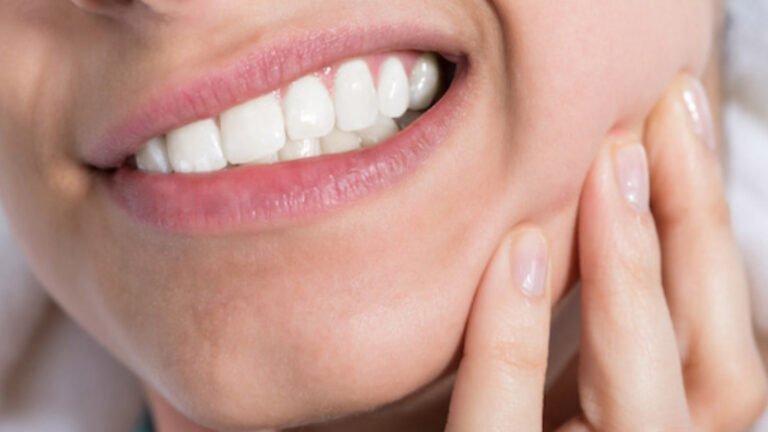
Quick Answer: Here’s how to tell if you have a cavity. Notice whether one tooth reacts to cold, heat, or sugar, aches after meals, or
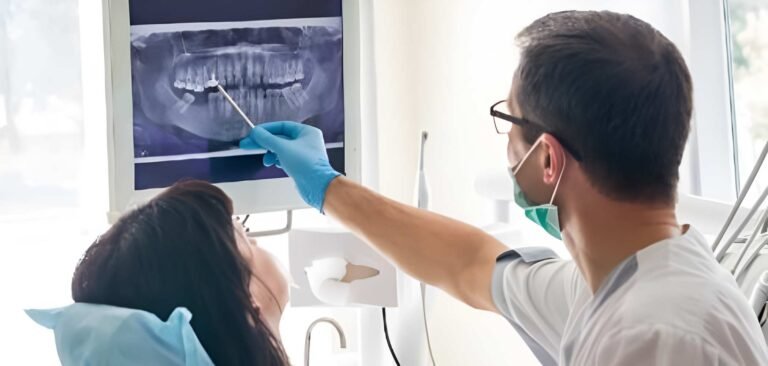
Quick Answer: A cracked tooth root after a root canal often develops because the tooth already had less structural support from decay, large restorations, or
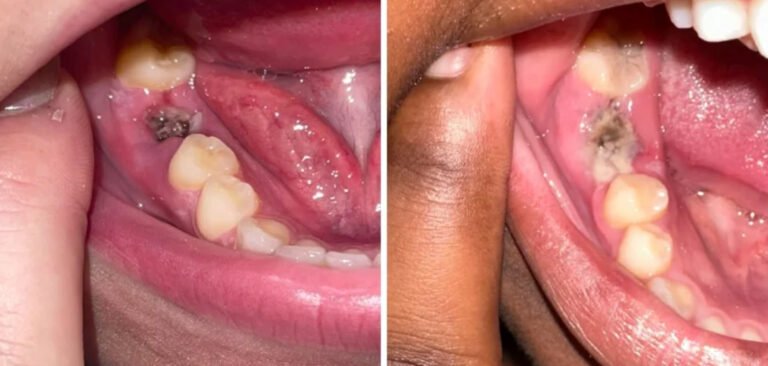
Quick Answer: The best way to prevent dry socket is to avoid straws, smoking, and vigorous rinsing for at least a week after extraction; stick
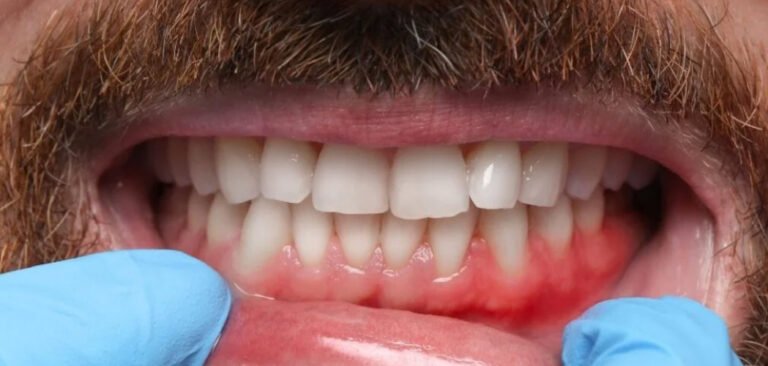
Quick Answer: Gum disease stages move from gingivitis through increasingly advanced periodontitis. Dentists usually explain this progression to patients in four easy-to-follow stages. Catch the

Quick Answer: Sensitive teeth after a filling are common, and the sensitivity is usually temporary. Mild sensitivity often eases up within a few days to
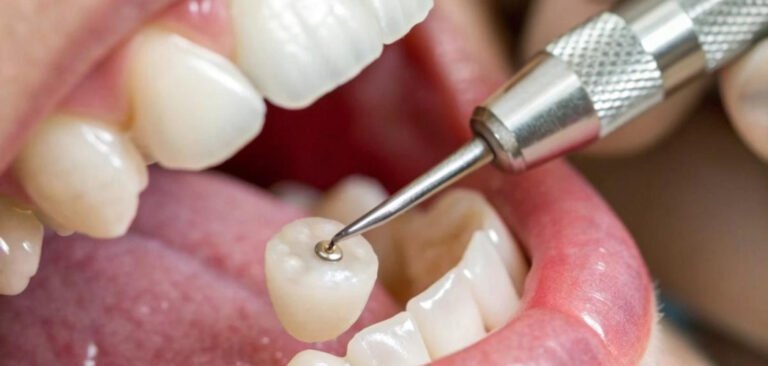
Quick Answer: The price of dental cap treatment commonly ranges from $800 to $2,500 per tooth, depending on the material, where the tooth is located,
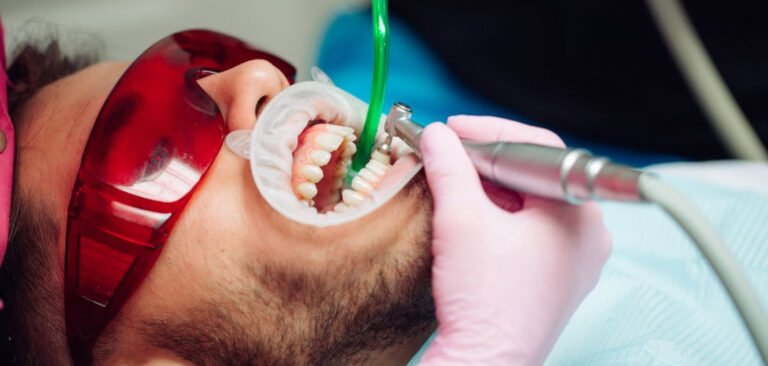
Quick answer: A dental prophy is a routine preventive cleaning that removes plaque, tartar, and surface stains from teeth when the gums are generally healthy.

Quick Answer: A bump on the lip is usually one of a few things. Canker sores, cold sores, mucoceles, clogged pores, or harmless Fordyce spots

Quick answer: When the roof of your mouth hurts, it’s often a burn from something too hot, a canker sore, or irritation from sharp or