
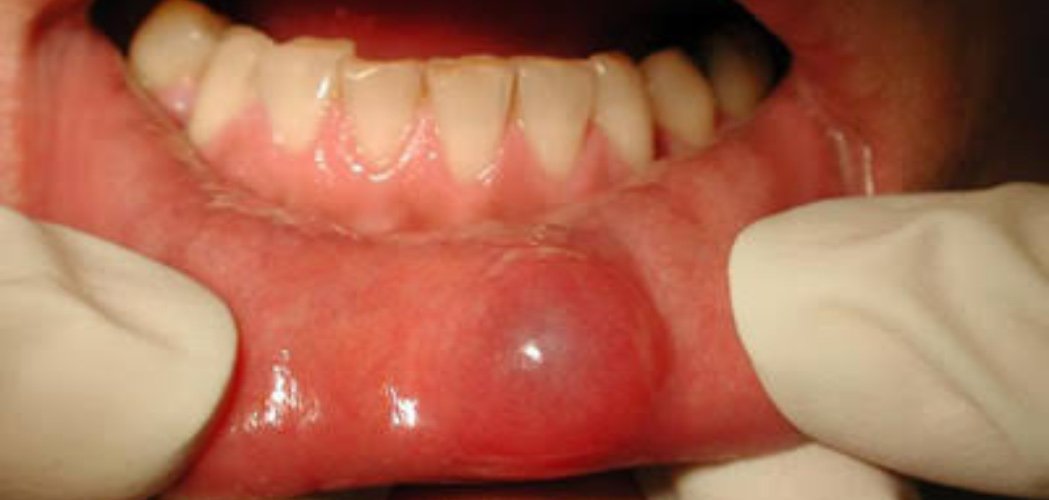
| Quick Answer: A bump on the lip is usually one of a few things. Canker sores, cold sores, mucoceles, clogged pores, or harmless Fordyce spots are the most common culprits. Most pimples and canker sores heal within one to two weeks. Some causes take longer, though. Mucoceles can stick around for weeks, and Fordyce spots are actually permanent, meaning they simply don’t require treatment at all. If a bump sticks around past two weeks, keeps coming back, or starts bleeding or going numb, that’s worth getting looked at. |
Waking up with a strange bump on lip is never fun, especially when there’s no obvious reason for it. Most of the time it’s nothing serious. The hard part is figuring out exactly what type of bump you’re dealing with, since the term covers everything from a simple pimple to a fluid-filled cyst to the early stage of a cold sore.
This guide breaks down the most common causes, how to tell them apart, what actually speeds up healing, and when it’s time to stop guessing and see a dentist instead.
What Causes a Bump on Lip?
Lip skin is very thin and densely packed with oil glands, saliva ducts, and nerve endings. Due to this configuration, lips can be susceptible to different types of bumps. Although many conditions can look similar, location, texture, and duration can provide useful clues about the cause.
| Type of Bump | What It Looks Like | Typical Cause | How Long It Lasts |
| Lip pimple | Small red or white dot, may have a whitehead | Clogged pore, trapped oil | 3 to 7 days |
| Cold sore | Cluster of tiny fluid-filled blisters | HSV 1 virus | 7 to 14 days |
| Canker sore | White or yellow center, red border, inside the lip | Minor injury, stress, acidic foods | 7 to 10 days |
| Mucocele | Soft, dome shaped, bluish or clear | Saliva trapped under the skin from a bite or injury | Days to several weeks, may recur |
| Milia | Tiny, firm white dots | Trapped keratin under the skin | Weeks to months if untreated |
| Allergic reaction bump | Puffy, sometimes itchy, may spread | Reaction to lip product, food, or medication | Hours to a few days |
| Fordyce spots | Small, painless pale yellow dots | Enlarged oil glands (normal variant) | Permanent, but harmless |
Tiny Bumps on Lips: Why They Show Up
If you’ve noticed tiny bumps on your lips that have been there for months and haven’t changed much, there’s a good chance they’re Fordyce spots rather than anything caused by infection. These are small, painless dots that are really just visible oil glands. It’s a normal variation, not a sign of poor hygiene or anything wrong. They usually show up along the border of the lip and don’t respond to cleaning or medication, though a dermatologist can remove them cosmetically if they bother you.
Clogged pore bumps behave differently. Those usually clear up on their own within a few days once you leave them alone.
Red Bump on Lip: What It Usually Means
A red bump on the lip is most often one of three things: an early pimple, an insect bite, or the beginning of a cold sore before any blisters actually form. The redness itself is just inflammation, the body’s normal response to whatever triggered it.
A few clues can help you figure out which one you’re dealing with:
- A tender bump with a visible whitehead usually points to a pimple
- Tingling or burning before the bump showed up suggests an early cold sore
- Sudden appearance after time outdoors could mean a bug bite
- If it’s swollen and itchy more than painful, that leans toward an allergic reaction
Lip Pimple vs. Cold Sore: How to Tell the Difference
People mix these two up constantly since both start out as a small red or white bump. A lip pimple is usually just one isolated spot, often with a whitehead, and it stays put. A cold sore is different. It typically starts with tingling or burning, then a cluster of small blisters shows up and eventually breaks open before crusting over.
The real difference comes down to this: cold sores are contagious and caused by a virus. Pimples aren’t.
How Do You Get Rid of a Lip Pimple?
Gentle care goes a long way here since lip skin is more sensitive than skin on the rest of the face.
✔ A warm compress for a few minutes can help soothe the area
✔ Follow up with a cold compress if there’s noticeable swelling or redness
✔ Keep the lip moisturized with a fragrance-free balm so it doesn’t crack, which only slows healing down
✔ Don’t pop or pick at it. That pushes bacteria deeper and makes things take longer
✔ If you’re considering an over-the-counter acne treatment, check with a pharmacist or your dentist first. A lot of spot treatments aren’t made for the delicate skin around the mouth and can cause irritation if used the wrong way
Small Dots on the Lips: Should You Worry?
Fordyce spots, which appear as small dots without pain and show up symmetrically on the lips over time without any infection involved, tend to stand out more when smiling or stretching the lips, becoming slightly more noticeable with age. No medical treatment is needed since they’re just an innocent variation; some individuals opt for cosmetic removal anyway.
If the dots are new, painful, or changing shape or color, that’s a different situation and shouldn’t be assumed to be the same thing.
White Pimples on the Inside of the Lips
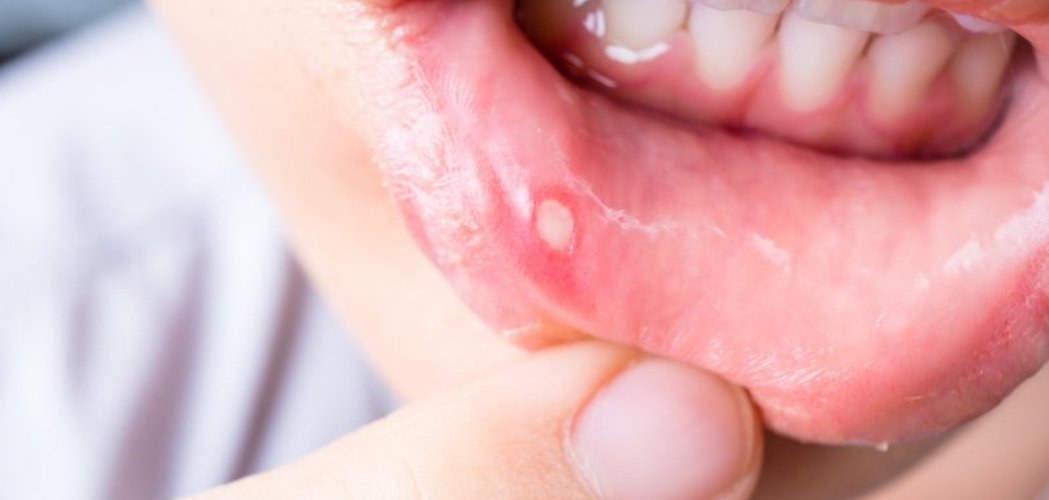
Canker sores, also known as white pimples on the inside of lips, typically develop on soft tissues inside of your mouth and hurt more when eating or speaking than they would on an outer lip. Their rubbing against teeth increases discomfort.
A few common triggers show up again and again:
- Accidentally biting the inside of your lip
- Acidic or spicy foods
- Stress
- Low vitamin B12, iron, or folate
- A weakened immune system during illness
Most canker sores clear up within seven to ten days on their own. Rinsing with warm salt water a few times a day can ease the discomfort and may help things along. The American Dental Association has more general guidance on managing minor mouth sores at home and when they warrant a professional look.
Allergy Bumps on Lips
Allergy bumps on lips often look puffy and itchy, usually appearing soon after coming into contact with whatever triggered them — like lipstick, food, medication, or an ingredient in toothpaste. As opposed to pimples or cold sores, which typically form a single spot on one part of the lip, allergic reactions typically spread across a wider area instead, with swelling becoming the primary symptom.
If swelling starts spreading to the face, tongue, or throat, or breathing becomes difficult, that’s a medical emergency. Don’t wait it out at home.
Can Stress Cause Bumps on the Lips?
Stressful times often coincide with lip bumps, and there may be truth to this correlation; however, it doesn’t cause lip bumps directly but works through indirect means instead. Biting and picking at the lips during stressful periods can increase the risk of canker sore and cold sore flare-ups in people already susceptible. These same habits can even trigger new bumps on their own. Managing stress, staying hydrated, and leaving your lips alone all help reduce how often this happens.”
Bumps Under the Lips
Bumps under the lips, closer to the chin side border or lower lip, can be mucoceles. A Mucocele forms when an injury such as biting your lip causes saliva to pool beneath the skin instead of draining normally, creating a soft bump which often has a slight bluish or translucent hue and usually doesn’t hurt until you bite again. Most mucoceles eventually go away on their own within weeks but anything out of the ordinary should be checked by a dentist or physician immediately, especially if one keeps recurring in the same location – otherwise a simple in-office procedure might be needed to eliminate it permanently.
Lip Is Swollen From Pimple: What Helps
Lip swelling from a pimple is usually an indicator of inflammation caused by a clogged pore beneath the skin, and applying a cold compress for 10 to 15 minutes should reduce swelling noticeably and allow healing without touching or squeezing it further. If the swelling becomes severe or spreads rapidly along with feverish symptoms, that suggests possible infection rather than a simple pimple; medical evaluation should be sought instead of self-treating at home.
How to Get Rid of Spots on Lips Quickly
If a spot or pimple shows up right before something important, this combination tends to help the most:
- Start with a cold compress. It brings down swelling and redness within minutes
- Keep lips hydrated since dry, cracked skin heals slower
- Skip new products for now. Introducing a new balm or gloss mid healing can cause more irritation
- Avoid covering an active pimple with makeup, since heavy product traps bacteria and slows things down
Puffy Bump on Lip: Common Causes
A puffy bump on the lip that feels soft rather than firm usually points to fluid buildup, whether that’s from a mucocele, an allergic reaction, or an injury, rather than a pimple, which tends to feel firmer because of trapped oil and bacteria. Texture is actually a pretty reliable way to tell these apart at home. Firm and tender usually means pimple. Soft and fluid-filled usually means mucocele or some kind of swelling response.
Why Do I Have a Bump on My Lip? A Quick Self Check
| Question | If Yes, Likely Cause |
| Did it start with tingling or burning? | Cold sore |
| Is it a cluster of tiny blisters? | Cold sore |
| Is it a single bump with a whitehead? | Pimple |
| Is it soft, painless, and bluish? | Mucocele |
| Did it appear after a new lip product? | Allergic reaction |
| Is it inside the lip and painful when eating? | Canker sore |
| Has it been there for months, unchanged? | Fordyce spot |
| Did it show up during a stressful period? | Stress-related canker sore or cold sore flare-up |
When a Lip Bump Needs a Dentist’s Attention
Most lip bumps really aren’t anything to worry about, but a few signs mean it’s time to stop waiting and get it checked:
- Lasted more than two weeks
- Keeps coming back in the same exact spot
- Feels hard, painless, and shows no signs of shrinking
- Bleeds without any obvious injury
- Comes with numbness
- It’s showing up alongside a fever or other symptoms
Consistent or unusual bumps could be indicative of more serious oral health concerns, so regular dental visits are critical even when something appears minor. Your dentist can conduct a direct assessment through routine preventative dentistry checkups and identify any red flags before small problems escalate into larger ones.If you’re also dealing with other unexplained oral discomfort, like a sore or irritated roof of your mouth, it’s worth getting the full picture checked at once rather than treating each symptom separately.
When Lip Bumps Affect More Than Just Comfort
For patients dealing with bumps that keep coming back, scarring from repeated cold sores, or lips that look uneven after past irritation, the conversation sometimes goes beyond just treating one bump. At Allure Dentistry & Aesthetics, our team takes a comprehensive approach to your smile’s health and aesthetics. This includes routine checkups that detect early oral health issues, as well as facial aesthetics treatments to provide fuller, smoother-looking lips once any underlying issue has healed.
Frequently Asked Questions
Q1. Can you get a spot on your lip that isn’t a cold sore?
Yes. Pimples, canker sores, Fordyce spots, and mucoceles can all show up as a spot on the lip with no connection to the herpes virus behind cold sores.
Q2. How do you get rid of a lip pimple overnight?
There’s no real guaranteed overnight fix, but a warm compress followed by a cold one before bed can noticeably reduce size and redness by morning.
Q3. Are small bumps on lip not cold sore always harmless?
Most of the time, yes, especially Fordyce spots and minor pimples. Anything new, painful, growing, or still there after more than two weeks is worth having checked.
Q4. Can stress really cause bumps on lips?
Not directly, but it can weaken your immune response and may trigger a canker sore or cold sore flare-up if you’re already prone to them.
Q5. How do you get rid of a pimple on your lip fast without picking at it?
A warm compress to soothe the area, then a cold compress to bring down swelling, is a safe and gentle approach.
Q6. When should a bump under the lip get checked by a professional?
If it’s stuck around for more than two weeks, keeps coming back in the same spot, or feels firm and isn’t shrinking, it’s worth having a dentist or doctor take a look.