
| Quick answer: When the roof of your mouth hurts, it’s often a burn from something too hot, a canker sore, or irritation from sharp or acidic food. Saltwater rinses, plenty of fluids, and a break from the foods that set it off can help it settle within a few days. If it’s still bugging you past a week, or you notice fever, swelling, or a bump that won’t quit, that’s your cue to call a dentist. |
So the roof of your mouth hurts. Annoying, right? This part of your mouth, the palate, has thinner and more sensitive tissue than most people realize, and that’s exactly why heat, injury, or infection set it off so quickly. You might be dealing with a roof of mouth sore that came from a burn, or a roof of mouth swollen from something else entirely, and figuring out which one applies makes all the difference for treatment. A sore or irritated palate can turn eating, talking, or swallowing into a genuine hassle. The upside is that most cases settle down within a week on their own, though every now and then it’s worth having a dentist take a look.
We’ll go over the likely culprits below, along with warning signs to keep an eye on and ways to find relief sooner. And if the usual fixes at home aren’t cutting it, our team in Canton, MA is happy to take a look.
What Causes the Roof of Your Mouth to Hurt?
Roof of mouth pain generally traces back to one of three things: an injury, some kind of irritation, or an infection. Here’s how each one tends to show up.
Burns and Palate Irritation
Coffee that was hotter than you thought, pizza cheese fresh out of the oven, soup you didn’t blow on enough. The palate has almost no insulation, so it scalds way faster than your tongue does. A day or two after the burn, you might notice the skin on the roof of your mouth peeling. That’s normal. It looks worse than it feels, and cool foods plus water usually speed things along. Most burns heal within a week, with no lasting damage.
What Causes a Bump on the Palate?
A bump on the roof of the mouth isn’t automatically alarming, but it’s worth figuring out what it is. It could be a small fluid filled lesion related to a salivary gland, often following minor trauma to the area, and it will typically feel soft. Torus palatinus is different: a bony bump that grows slowly over years and is generally harmless (dentists mainly care about it if you’re getting dentures). That said, if a bump is growing, changing color, or sticking around past two weeks, get it checked. Better safe.
Canker Sores on the Palate
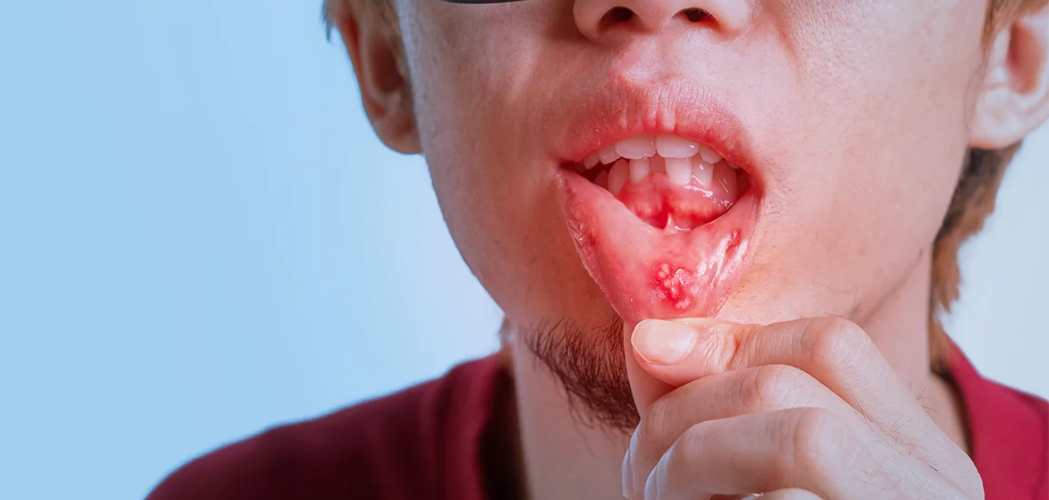
These little round ulcers with the white or yellow center and red edge aren’t contagious, but they sting like nothing else, especially around anything acidic or spicy. Stress is a common
trigger, so is minor trauma, so are certain foods like citrus, coffee, and chocolate. These ulcers on mouth roof tissue, along with any other sores on roof of mouth, often calm down within one to two weeks on their own. A numbing gel in the meantime may make eating more comfortable.
Blisters Causing Roof of Mouth Pain
Blisters on the roof of the mouth can come from a burn, an allergic reaction, or a viral cause such as the herpes simplex virus. Viral lesions can cluster, break open, then crust over, and some people notice a tingling feeling beforehand. Since these can be contagious, it’s best to avoid sharing cups or utensils while symptoms are active, and to see a dentist or doctor for proper evaluation and treatment options.
Red Marks Where the Roof of Mouth Hurts
Red marks in roof of mouth tissue are often just irritation from a sharp tortilla chip, a rough cracker edge, or a retainer that doesn’t fit quite right. But red splotches that spread rather than stay put can point to an early infection, or an allergic reaction to something new, like a toothpaste or a mouthwash. If there’s burning along with the redness, check what changed in your routine first, and check in with your dentist if it doesn’t settle.
A White Line Where the Roof of Mouth Hurts
A white line in roof of mouth or patch on the roof of the mouth can be caused by a few different things, including a yeast overgrowth known as oral thrush, which often comes with a mild burning feeling. It’s more common after a round of antibiotics or when your immune system’s run down. Since white patches can have several possible causes, if one doesn’t wipe away or is sticking around, it’s worth having a dentist take a look rather than guessing.
Swelling When the Roof of Mouth Hurts
Palate mouth swollen tissue can result from irritation, injury, or infection. An Inflamed Roof of Mouth can also be associated with swelling, irritation, or infection. Dry mouth, dehydration, an allergic reaction to something in your toothpaste, or a vitamin deficiency (B12, iron, and folate are commonly mentioned) can all play a role. Mild swelling right after a dental visit, or after getting a new retainer, is usually just your mouth adjusting. Give it a few days.
Dentures or Braces Making the Roof of Mouth Hurt
If a dental appliance is rubbing the same spot every time you eat or talk, that friction adds up. Plenty of people describe it simply as a mouth ceiling that hurts nonstop. Left alone, it can turn into an actual sore. The fix is simple: get it adjusted by your dentist.
Roof of Mouth Hurts, Symptoms at a Glance
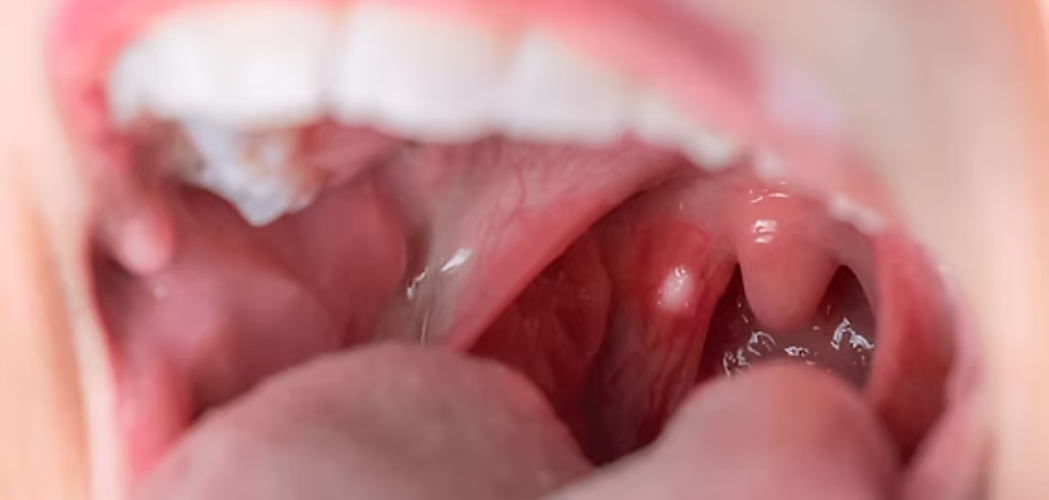
Pain in the top of the mouth when eating is one of the clearest signs something needs attention. The table below can help you match what you’re feeling to a likely cause.
| Symptom | Likely Cause | Typical Healing Time |
| Peeling skin, tenderness | Burn from hot food/drink | Often 3–7 days |
| Round sore, white/yellow center | Canker sore | Often 7–14 days |
| Cluster of blisters, tingling before onset | Viral lesion (e.g. herpes simplex) | Varies, see a professional |
| White patches, burning sensation | Possible oral thrush | Varies, may need antifungal treatment |
| Bump, soft or hard, slow-growing | Possible salivary lesion or torus palatinus | Varies, have it evaluated |
| Red marks or splotches | Irritation, minor injury, or possible early infection | Often 2–5 days |
| Swelling after dental work or new appliance | Adjustment reaction | Often 2–4 days |
| Sore lasting 7+ days, not healing | Needs a dental evaluation | Varies |
How to Treat Sore Roof of Mouth Pain
Try a warm salt water rinse: half a teaspoon of salt in a cup of warm water, two or three times a day. It’s a simple habit that may help soothe irritation and keep the area clean while it heals.
Drink more water than you think you need. Dehydration means less saliva, and less saliva means the tissue in your mouth dries out and gets irritated more easily. Ice chips help too if you’re dealing with a fresh burn.
Skip the foods that make it worse. Spicy, acidic, salty, crunchy foods just reignite the pain and slow healing down. Stick to soft and cool for a few days: yogurt, mashed potatoes, a smoothie.
Grab an over the counter gel. Anything with benzocaine, or a protective barrier gel, may numb the spot and shield it while it heals. Especially useful for canker sores.
Have any underlying cause properly diagnosed. If a dentist or doctor identifies a fungal or bacterial cause, they’ll recommend the right treatment. Self-treating with over the counter remedies alone isn’t a substitute for that evaluation.
If canker sores keep coming back, it’s worth mentioning to your dentist, since diet, stress, and general oral health can all play a role. Staying on top of routine cleanings through Preventative Dentistry helps catch issues early.
When Roof of Mouth Pain Means You Should See a Dentist
Most of this clears up within a week on its own. Don’t wait it out if you’re seeing:
| Warning Sign | Why It Matters |
| Pain lasting longer than 7 days | Could mean infection or something that needs treatment |
| Sores that keep coming back | Might point to a nutritional or immune issue |
| Fever or swollen glands | Sign the infection may be spreading beyond the mouth |
| White or red patches that won’t clear | Needs a proper look to rule out anything serious |
| A bump that’s growing or hardening | Don’t just watch it, get it checked |
| Pain tied to a denture, retainer, or braces | The appliance likely needs adjusting |
Our team at Allure Dentistry & Aesthetics in Canton, MA sees this kind of thing regularly. If your pain comes on suddenly and feels severe, our Emergency Dental Care page has the same week options. For anything less urgent, we’ll figure out what’s actually going on and get you the right treatment, no guesswork.
Quick Questions About Why the Roof of the Mouth Hurts
Q1.Why does the roof of my mouth hurt?
Often a burn, a canker sore, or irritation from something sharp or acidic. If it’s persistent, it could be dry mouth, an allergic reaction, or a dental appliance that doesn’t fit right. A dentist can help pin it down.
Q2. Why do the top of my mouth hurt when I eat certain foods?
That tissue is thin and reacts fast. Hot, spicy, or acidic food can irritate it quickly. If it happens with most meals, check whether a retainer or denture is rubbing against your palate.
Q3. Why is the roof of my mouth sore, and how do I know if it’s serious?
Most soreness is minor and clears up on its own within a week. An inflamed roof of the mouth may also cause soreness, swelling, or tenderness. It’s worth seeing a dentist if it drags past seven days, keeps coming back, or comes with fever or swelling.
Q4. What causes a bump on the roof of the mouth?
Often a minor salivary-related lesion or a bony growth called torus palatinus, both usually harmless, though a dentist should confirm. A bump that’s growing or hardening deserves an evaluation.
Q5. Why is the skin on the roof of my mouth peeling?
Often a sign of a burn. The top layer of tissue lifts as it heals. Try not to pick at it, since that can invite infection.
Q6. What does a white line on the roof of the mouth mean?
It can have a few possible causes, including oral thrush. If it’s not clearing up within a week, or it’s spreading, it’s time for a dental exam.
Q7. How long does a sore palate take to heal?
Minor burns and irritation often heal within a few days. Canker sores can take up to two weeks. Anything longer, get it looked at.
Q8. Should I pop a blister on the roof of my mouth?
No, that can raise infection risk and slow healing. Let it heal on its own, and use a protective gel if it’s bothering you.
Q9. Can dehydration cause roof of mouth pain?
Yes. Less fluid means less saliva, and that can dry the tissue out and make it more sensitive to pain.