
| Quick Answer: The price of dental cap treatment commonly ranges from $800 to $2,500 per tooth, depending on the material, where the tooth is located, treatment complexity, and whether dental insurance covers part of the cost. Some crowns and locations may cost more. |
Before diving into what drives the price of dental cap treatment, here’s a quick look at how the numbers break down by material.
Average Cost of a Dental Crown in the U.S.
| Dental Cap Type | Average Cost |
| Resin | $300–$1,000 |
| Metal | $800–$2,000 |
| Porcelain-Fused-to-Metal | $800–$1,800 |
| Porcelain | $800–$2,500 |
| Zirconia | $1,000–$2,500 |
These are typical U.S. price ranges, not fixed fees. Actual costs vary by location, material, dentist, laboratory fees, insurance, and the complexity of treatment.
If your dentist just told you that you need a crown, you’ve probably got two things on your mind right away: what’s this actually going to look like, and what’s it going to cost me? Fair questions. The price of dental cap is a common question for patients considering restorative dentistry, and for good reason. Unlike a routine cleaning, a crown is a real investment in your tooth’s long-term health, so it makes sense to understand what you’re actually paying for before you sit in the chair.
At Allure Dentistry & Aesthetics in Canton, MA, patients can discuss crown materials, treatment options, and expected costs during a consultation. This guide breaks down what a dental cap actually is, how it differs from a crown, what the different types cost, and what factors quietly push crown pricing up or down.
What Is a Dental Cap?
A dental cap is a custom-made covering that fits over a damaged, weakened, or heavily decayed tooth. It restores the tooth’s original shape, size, and strength while protecting whatever natural structure is left underneath. Your dentist shapes the tooth, takes an impression or digital scan, and either mills the cap in-office or sends it to a lab for fabrication.
You’ll typically need a cap when a tooth has a large cavity that a filling alone can’t fix, when a tooth has cracked or fractured, after root canal treatment when significant tooth structure has been lost, or for cosmetic reasons when a tooth is severely discolored or misshapen. Understanding the price of a dental cap upfront can help you plan treatment with confidence, since costs vary mainly by material rather than by whether you call it a cap or a crown.
Dental Cap vs Crown: Is There Really a Difference?
Probably the question we hear most, and the honest answer’s no. A dental cap and a dental crown are the same restoration. “Cap” is just the casual word patients reach for, “crown” is what shows up on the chart, the clinical term.
| Dental Cap | Dental Crown | |
| Definition | Casual term for the restoration | Clinical/technical term |
| Materials used | Porcelain, metal, zirconia, resin | Same options |
| Procedure | Identical | Identical |
| Cost | Identical for the same material | Identical for the same material |
| Where you’ll hear it | Everyday conversation | Dental charts, insurance paperwork |
So if you’ve been searching “tooth cap vs crown” or “crown vs cap dental” trying to figure out which one you actually need, you can stop worrying. It’s really just a language difference, not a treatment difference.
Types of Dental Crowns and Their Materials
Material is one of the biggest factors affecting crown cost. Here’s a breakdown of the main options.
Porcelain or Ceramic Crowns
Ceramic teeth caps are usually the go-to for front teeth, since they can mimic the look of natural enamel pretty closely. No metal in them either, so you don’t get that metal margin sometimes showing through as gums recede, the way it can with PFM crowns. Tradeoff? Pure porcelain chips a little more easily under heavy bite force.
Zirconia Crowns
Zirconia’s a strong ceramic material, combining durability with a pretty natural look. It’s biocompatible, holds up well under everyday chewing, and shade-matches closely to surrounding teeth, part of why it works for both front and back teeth in a lot of cases.
Porcelain-Fused-to-Metal Crowns
A PFM crown pairs a metal base with a porcelain layer on top, so you get metal’s strength with a tooth-colored surface. Years down the line though, that metal base can sometimes peek through as a thin gray line near the gum.
Metal Crowns
A metal crown, made from gold or another durable alloy, is among the most durable crown options and can withstand strong biting and chewing forces. It also requires the least amount of healthy tooth structure to be removed during preparation. The downside is appearance, since metal crowns aren’t tooth-colored, which is why dentists typically reserve them for back molars.
Resin or Composite Crowns
A resin crown, sometimes called a composite resin crown, is generally less expensive but less durable than many other crown materials. Dentists often use resin for temporary crowns, though resin-based restorations may also be used in certain cases as a lower-cost option.
Price of Dental Cap by Type
| Crown Material | Typical Price Range (Per Tooth) | Best For |
| Metal | $800 – $2,000 | Back molars, maximum durability |
| Porcelain-Fused-to-Metal | $800 – $1,800 | Balance of strength and appearance |
| All-Porcelain/Ceramic | $800 – $2,500 | Front teeth, natural appearance |
| Zirconia | $1,000 – $2,500 | Front or back teeth |
| Resin/Composite | $300 – $1,000 | Temporary or lower-cost applications |
Keep in mind these numbers are general benchmarks, not a locked-in price for your specific tooth. What you’ll actually pay depends on your case details, so a direct quote from your dental office will always be more accurate than any published range.
What Does the Price of a Dental Crown Usually Include?
This matters more than people expect, since two dentists can quote very different numbers while including different services in that quote. A crown fee may or may not cover:
- The initial examination
- X-rays
- Tooth preparation
- A short-term crown that protects the tooth until the final restoration is ready
- Digital impression or physical mold
- Laboratory fees
- The permanent crown itself
- Placement and cementation
- Core buildup, if needed
Core buildup is often billed as a separate procedure from the crown itself, and insurance reimbursement for it depends on your specific plan. Before moving ahead, request a full breakdown of the quote so nothing catches you off guard later.
Does the Price of a Dental Crown Include a Root Canal?
Usually not. A root canal is its own separate procedure from the crown. If you need one before the crown goes on, that adds to your total cost, and depending on how much tooth structure’s left, a core buildup might get recommended too. Best bet: ask your dentist for an itemized estimate so you know exactly what’s included in your treatment plan.
What Affects the Cost of a Dental Crown
Material isn’t the only thing driving the final number on your treatment plan. A few other factors typically come into play:
- Tooth location. All-porcelain or zirconia crowns are often considered for front teeth because appearance, shade matching, and translucency are especially important in visible areas.
- Case complexity. If your tooth needs a root canal, a core buildup, or other prep work before the crown itself, that adds to the total cost.
- Lab fees. Crowns fabricated in a specialized dental lab using high-end materials generally cost more than crowns milled in-office.
- Geographic location. Dental costs vary from region to region based on overhead, staffing, and local market rates.
- Same-day vs. traditional crowns. Same-day crowns are made using in-office digital scanning and milling technology, which can reduce the number of visits needed. At practices offering this service, a same-day crown appointment typically runs about two to three hours from start to finish. Pricing varies by practice and technology.
Cost of a Crown with Insurance
Many traditional dental insurance plans classify crowns as major restorative care and may cover around 50% after your deductible, but actual coverage varies significantly by plan. Annual maximums can also limit how much your plan pays toward covered care each year, and the amount varies by plan. If you’re weighing multiple procedures, it’s worth asking your dental office how your treatment plan may interact with your annual maximum and benefit period.
Without insurance, ask your practice about membership plans or flexible payment options, which many offices now offer specifically to make treatments like crowns more manageable.
Cap on a Front Tooth: What It Costs and Why It’s Different
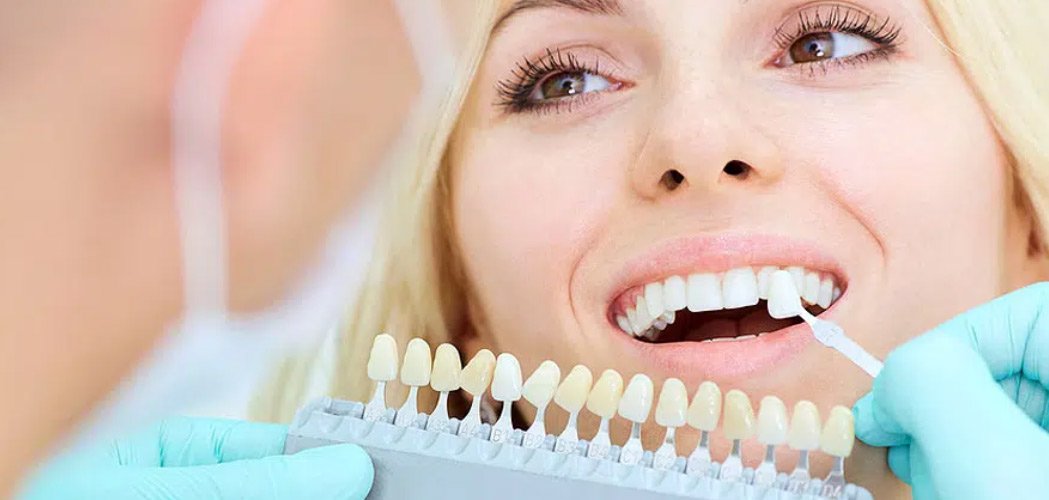
A cap on a front tooth comes with different considerations than one for a back molar. Front teeth show every time you smile or talk, so all-porcelain or zirconia tend to be the picks here over metal, since shade-matching and translucency matter a lot more cosmetically. The cost for a front tooth usually lands in that same $800 to $2,500 range as other porcelain or zirconia crowns.
How Long Does a Dental Crown Last?
With proper care, dental crowns can last many years. The average lifespan is about 5 to 15 years, depending on the material, oral hygiene, bite forces, and other factors. Keeping up with routine dental cleanings, along with avoiding habits like chewing ice or using teeth as tools, can help you get the most out of the investment.
When Do You Need a Crown Instead of a Filling?
Fillings work fine when a cavity’s small and most of the tooth is still healthy. A crown usually becomes the better call when decay’s gone further, when a tooth’s cracked, or after a root canal, especially if a lot of tooth structure is gone and it needs the extra protection.
What to Expect Getting a Crown at Allure Dentistry
Booking a crown appointment at Allure Dentistry & Aesthetics starts with a straightforward conversation — you’ll go over your options, understand why one material might suit your tooth better than another, and get a realistic sense of the numbers before anything is decided. Insurance and financing get discussed at this stage too, and whether your case qualifies for a same-day appointment depends on what the dentist sees when they examine the tooth.
Choosing the Right Crown for Your Budget and Needs
There’s no single “best” crown for everyone here. Grind your teeth at night? Metal or zirconia will probably serve you better. More focused on a natural front-tooth smile? All-porcelain is likely where you’ll end up. A good practice explains why a specific material fits your case before quoting a number, so you actually understand the reasoning behind the price instead of just staring at a total on a bill.
Frequently Asked Questions
Q1. Is a dental cap the same as a crown?
Yes, same thing. A dental cap and a dental crown are the same restoration, “cap” is just what patients tend to call it, while “crown” is the term you’ll actually see on charts and paperwork.
Q2. What is the price of a dental cap on average?
Most dental crowns run somewhere between $800 and $2,500 per tooth, depending on material and how complex the case is, though some fall outside that range.
Q3. How much does a crown cost with insurance?
Coverage really comes down to your specific policy — most traditional plans kick in after you’ve met your deductible, and reimbursement commonly lands near the halfway mark, though your annual maximum can cap what actually gets paid out
Q4. What’s the difference between a cap and a crown?
Nothing changes clinically between the two — same procedure, same material choices, same price tag either way. It really just comes down to which word gets used in conversation versus paperwork.
Q5. Which type of crown lasts the longest?
Metal crowns are among the most durable options and tend to have excellent wear resistance. Zirconia also offers strong durability while providing a more tooth-colored, natural appearance.
Q6. How much does it cost to cap a front tooth?
Front teeth typically fall into that same porcelain or zirconia price bracket, roughly $800 to $2,500, mainly because getting the shade and shape right for a visible tooth takes extra precision
Q7. Does the Price of a Dental Crown Include a Root Canal?
Usually not. Root canal treatment is a separate procedure and may add to the total cost of getting a crown