

The dentist just told you that you need a root canal. Now you’re sitting there wondering how long does a root canal take, exactly? It’s basically the first thing everyone asks. Fair enough too, nobody wants a surprise three-hour appointment.
Here’s the short version: most people are in and out in 60 to 90 minutes. Not everyone though. It really comes down to which tooth’s involved, how many canals it’s got, and how bad the infection got before anyone noticed. This guide breaks all of that down — the actual timeline, what happens step by step, recovery, the whole thing.
Patients in Canton, MA, often ask this question before scheduling a root canal treatment. Understanding the process can make the appointment feel much less intimidating.
Quick Answer
| Most root canal treatments take 60 to 90 minutes, give or take. Front teeth are quicker, usually 45 to 60 minutes. Molars run longer, closer to 75 to 90 minutes, and sometimes a little past that. A complicated infection may require two visits instead of one. |
What Is a Root Canal?
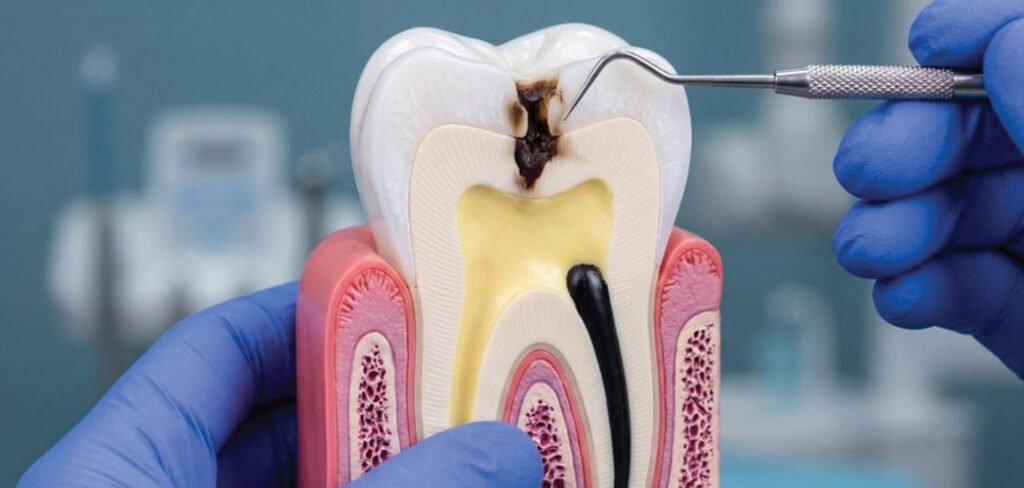
Every tooth has a soft center called the pulp, which contains nerves, blood vessels, and connective tissue. When decay or a crack lets bacteria sneak in, that pulp gets infected. That’s where the pain comes from. A root canal treatment just clears it out, cleans the space, and seals it shut.
People hear the term and instantly brace themselves. Old reputation doesn’t really apply anymore. Talk to anyone who’s had one recently they’ll tell you it felt like a filling appointment. Nothing scarier than that. Anesthesia does all the heavy lifting.
For more information about the procedure, visit the Cleveland Clinic’s guide to root canal treatment:
How Long Does a Root Canal Take?
Averages out to 60 to 90 minutes, but that number bends depending on the tooth. Canal count, location, infection severity all of it factors in.
Something most people don’t expect: a lot of root canal procedures finish in a single sitting. One visit, done.
Timeline by Tooth Type
| Tooth Type | Average Treatment Time |
| Front Tooth | 45–60 Minutes |
| Premolar | 60–75 Minutes |
| Molar | 75–90 Minutes |
| Complex Root Canal | Two Appointments May Be Required |
Front Teeth
Front teeth — one canal, usually. Fast. In, treated, out.
Premolars
Premolars sit in the middle. One or two canals, a bit more cleaning involved, so the appointment stretches slightly.
Molars
Molars take the longest. Three, sometimes four canals crammed into one tooth. That’s just more work, plain and simple. And if there’s a severe infection sitting on top of that, or it’s a retreatment, don’t be shocked if the dentist says two visits upfront.
What Factors Affect Root Canal Treatment Time?
A few things stretch appointments out.
- More canals mean more cleaning, more shaping, and more time. Molars feel this the most.
- Bad infections sometimes need medication sitting inside the tooth before sealing. That alone can add a second visit.
- Back teeth are simply harder to reach.
- Existing crowns or old root canal work may require extra preparation before treatment can begin.
Every treatment plan is unique. Your dentist will assess your tooth, look over the X-rays and suggest the best course of action in light of your dental health.
What Happens During a Root Canal Procedure?
X-ray first, so the dentist actually sees what’s going on inside. Numbing comes next — this step matters more than any other, since it’s what makes everything painless. A small dam goes over the tooth to keep it dry.
After that, the infected pulp is removed, and the canals are cleaned, shaped, and filled with biocompatible material before being sealed shut. If the treated tooth needs additional strength, your dentist may recommend placing a dental crown after the procedure.
Nothing rushed. The whole aim is keeping as much of the real tooth as possible.
Does a Root Canal Hurt?
Short answer, no. Not during. The numbing handles that completely. Most people walk out saying it felt like a filling, almost anticlimactic compared to what they were dreading.
After it wears off, some soreness for a day or two is normal. Regular pain relief usually handles it well. If it’s severe or still hanging around a week later, that’s when it’s time for emergency dental care, not a wait-it-out situation.
Can a Root Canal Be Completed in One Visit?
Single visits tend to happen when the infection’s mild, the canals are simple, there’s no real swelling, and the bone looks healthy. Pretty standard outcome, honestly.
Two visits come up when things are messier: stubborn infection, extra canals, or medication that needs time to work before sealing everything. Neither path means anything went wrong. It simply depends on what that specific tooth needs.
Root Canal Recovery Timeline
Day One
Some tenderness is normal. Skip chewing on that side until the numbness has completely worn off.
Days Two to Three
Things usually settle down. Brush and floss like normal, just go easy near the treated area.
One Week Later
Most people feel back to themselves completely. If a crown’s still pending, that’s usually booked around this time.
Foods to Eat After a Root Canal
Soft foods are your best choice during the first few days.
- Yogurt
- Mashed potatoes
- Eggs
- Oatmeal
- Soup
- Pasta
- Smoothies
- Applesauce
- Rice
- Cooked vegetables
Foods to Avoid After a Root Canal
For a few days, avoid foods that could damage the treated tooth.
- Hard candy
- Ice
- Nuts
- Popcorn
- Caramel
- Chewing gum
- Chips
- Tough meat
Once the permanent filling or crown is in place, you can gradually return to your normal diet.
Signs You May Need a Root Canal
Pain that just won’t quit. Hot or cold sensitivity that lingers way too long. Gums swollen or tender. A little bump near the tooth, almost pimple-like. Discoloration. Deep decay left unchecked. A crack letting bacteria through.
Does any of that sound familiar? Don’t sit on it. Get it looked at.
Benefits of Root Canal Treatment
Your own tooth, even a treated one, beats an extraction most of the time. It’s the same idea behind restorative dentistry in general — save what’s already there before considering a replacement. Keeps your bite intact. Stops the pain right at the source. No gap to deal with afterward, no replacement needed.
Root canals do more than ease pain: they also prevent infection from spreading to nearby teeth, restore normal chewing patterns, and maintain overall dental health for the future.
When Should You See a Dentist?
Lingering pain doesn’t fix itself. It spreads, gets worse, and makes everything more complicated the longer it’s ignored. Something feels off? Get it checked instead of hoping it clears up on its own.
If you’re looking for dental care in Canton, MA, Allure Dentistry & Aesthetics can evaluate the tooth, explain your treatment options, and help you protect your natural smile.
Frequently Asked Questions
Q1. How long does a root canal take on a molar?
Usually 75 to 90 minutes. Complicated cases may take a little longer.
Q2. Can it be done in one appointment?
Often, yes. Severe infections or more complex canal systems sometimes require two visits.
Q3. Does it hurt once the numbness wears off?
Mild soreness for a couple of days is normal. Severe pain isn’t, so contact your dentist if that happens
Q4. How long until recovery is complete?
Most people feel normal within 24 to 48 hours. Full healing continues over the following week, especially if a crown is planned.
Q5. Will I need a crown afterward?
Often, particularly for back teeth. Your dentist will let you know whether your tooth needs one.
Q6. Can I eat right after?
Once the numbness fades, yes. Stick to soft foods on the first day and avoid chewing on the treated tooth until your dentist clears it.
Q7. Can I drive home myself?
Yes, unless you’ve received dental sedation. Local anesthesia alone doesn’t usually affect your ability to drive.
Q8. What if I put off treatment?
The infection can spread deeper into the tooth and surrounding bone. That often means more pain, more complicated treatment, and in some cases, tooth loss.
The Bottom Line
Knowing how long a root canal takes can take a lot of the anxiety out of the appointment. Most people are done in 60 to 90 minutes, though that number moves around depending on the tooth, how many canals it has, and how far the infection’s spread.
Modern root canal treatment isn’t about drilling and hoping for the best. It’s built to clear the infection out completely while keeping your natural tooth right where it belongs. And the earlier it gets treated, the easier recovery tends to be. Simple as that.
Dealing with tooth pain or sensitivity? Allure Dentistry & Aesthetics proudly provides root canal treatment in Canton, MA, using modern technology and a patient-first approach. Reach out today to schedule an appointment and get your smile back on track before it turns into something bigger.