

| Quick answer: A dental prophy is a routine preventive cleaning that removes plaque, tartar, and surface stains from teeth when the gums are generally healthy. Many people have cleanings about every six months, but some may need them more or less often based on their oral health and risk factors. |
Your dentist says it’s time for a “prophy.” Maybe you nod along, not entirely sure what that actually means. You wouldn’t be the only one. A dental prophy, short for dental prophylaxis, is the standard preventive cleaning most people get at their regular checkup, and knowing what happens in that chair makes the whole visit a lot less of a mystery. This guide breaks down what a dental prophy actually is, what happens step by step, how it differs from a periodontal cleaning, and how often you really need one.
Key terms at a glance:
- Plaque — the sticky film of bacteria that builds up on teeth daily
- Tartar (calculus) — hardened plaque that brushing and flossing alone can’t remove
- Prophy (prophylaxis) — a preventive cleaning for healthy teeth and gums
- Perio maintenance — an ongoing treatment cleaning for diagnosed gum disease
What Does “Dental Prophy” Mean in Dentistry?
Prophy comes from prophylaxis, a medical term that simply means prevention. In dentistry, that translates to a professional cleaning aimed at stopping problems before they start, not treating something that’s already gone wrong. Call it a prophy or a cleaning; either way, the purpose is the same: preventive care for teeth and gums that are generally healthy.
Dental prophylaxis is the professional term for this kind of cleaning, removing plaque, calculus, and stains to keep gums healthy. The American Dental Association recommends seeing your dentist regularly as part of a good oral health routine, and a prophy is exactly that kind of visit. In plain English, it just clears out what your toothbrush and floss can’t.
One thing people mix up all the time is thinking a prophy and a deep cleaning are the same thing. They’re not:
- Deep cleaning (scaling and root planing): treats gum disease that’s already there
- Prophy: preventive cleaning generally used when the periodontium is healthy
What Happens During a Dental Prophy Appointment
The appointment usually follows a few clear stages. Knowing what to expect can make the experience feel much less clinical.
Step 1: Exam and Tartar Removal
Your hygienist looks over your teeth and gums first. Then comes the scaling, hand instruments or an ultrasonic scaler, clearing plaque and tartar off the tooth surfaces and along the gumline. Plaque is that sticky film building up daily, and left alone long enough, it hardens into tartar (calculus, if you want the technical name). Once that happens, regular brushing and flossing alone can’t remove it effectively. This step mostly deals with whatever’s built up since your last visit.
Step 2: Polishing
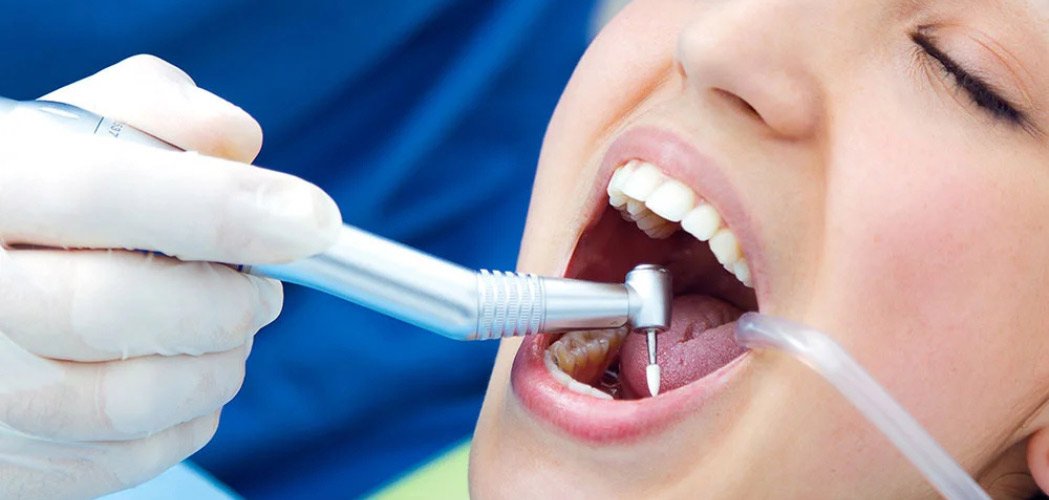
Once the tartar is gone, your hygienist uses a gritty polishing paste and a small spinning tool to smooth the tooth surfaces and remove some surface stains from coffee, tea, and other foods and drinks. Polishing smooths the tooth surfaces and helps remove remaining surface stains, giving teeth a brighter look — separate from any Cosmetic Dentistry treatments like whitening.
Step 3: Flossing and Fluoride
Flossing comes next, catching whatever the scaler missed along the way. Many offices wrap things up with a fluoride treatment to help strengthen enamel. Depending on the office and the visit, you might also get:
- X-rays
- Photos
- A full oral exam checking for cavities, early gum changes, or signs of oral cancer
So how long does all this actually take? Usually somewhere between 30 and 60 minutes, start to finish.
Dental Prophy vs. Perio Maintenance: What’s the Difference
People mix these up all the time, and honestly it makes sense why, since both involve cleaning your teeth. That said, each one is aimed at something different.
A dental prophy is preventive care generally used when the periodontium is healthy. It’s the cleaning most people get twice a year, about as routine as it gets.
Perio maintenance is different. It’s treatment, meant for patients who’ve already been diagnosed with periodontal disease and been through an initial deep cleaning. Since periodontal disease doesn’t just go away on its own, patients on perio maintenance usually come back every three to four months instead of six, because bacteria below the gumline can rebuild fast without that extra attention.
| Dental Prophy | Perio Maintenance | |
| Purpose | Preventive care for healthy gums | Ongoing treatment for diagnosed gum disease |
| Typical frequency | Every 6 months | Every 3–4 months |
| Gum condition | Generally healthy periodontium | History of periodontal disease |
| Follows | Routine preventive care | Initial scaling and root planing |
Short version: a prophy keeps healthy gums healthy. Perio maintenance manages something that’s already there. Your dentist decides which one fits, based on your actual gum health and history, not something you need to figure out yourself.
How Often Should You Get a Dental Prophy?
It’s probably the question we hear most, and the honest answer depends on your own risk factors, though there’s a general rule most dentists start from.
For many people, six months is a reasonable starting point, but your dentist may recommend a different schedule based on your oral health. It gives your dental team a real shot at catching small problems, like early decay or early inflammation, before they turn into something that needs Restorative Dentistry.
Not a fixed rule for everyone, though. Some patients need to come in every three to four months instead, if they:
- Have a history of gum disease or gums that bleed easily
- Use tobacco products or smoke regularly
- Have diabetes or another condition that slows healing
- Notice tartar building up fast even with solid home care
- Wear braces or other orthodontic hardware that traps food and plaque
And some people may be able to go longer between cleanings, depending on their oral health and their dentist’s recommendation. That’s really a decision to make together with your dentist, not on your own.
The cleaning and exam usually happen at the same visit, so one appointment covers both.
Signs You Might Need a Cleaning Sooner
Six months is a common interval, but not everyone needs the same schedule. A few signs say don’t wait that long:
- Bleeding when you brush or floss
- Persistent bad breath despite consistent brushing and flossing
- Visible tartar forming near the gumline
- Rough or duller-looking teeth compared to usual
- Redness, swelling, or tenderness along the gums
None of this is an emergency by itself. But mention it to your dentist. Catching gum inflammation early is usually the difference between a simple cleaning and something more involved later.
Getting a Cleaning If You Wear Braces
Braces deserve their own mention here. Brackets and wires make it so much easier for plaque to build up in places a toothbrush just can’t reach. Patients with braces often get pulled onto a more frequent cleaning schedule than the standard six months, depending on their hygiene and what the orthodontist or dentist recommends. Hygienists have specialized tools built for cleaning around brackets, and nothing at home really compares.
Why These Appointments Matter
It’s easy to treat a routine cleaning like a box to check off, but it’s more than that.
Regular prophy visits give your dental team an early look at problems that don’t hurt yet. Gum disease especially is painless in its early stages, which is exactly why a lot of people don’t notice until it’s already progressed. A routine cleaning is often where that gets caught first — it’s the foundation of good Preventative Dentistry. Beyond gum health, these visits also help:
- Prevent cavities
- Cut down on bad breath from trapped bacteria
- Give your dentist an opportunity to look for other oral health concerns, including signs that may require further evaluation
Dental Prophy at Allure Dentistry & Aesthetics in Canton, MA
At Allure Dentistry & Aesthetics, dental prophy appointments are part of comprehensive preventive care for patients across Canton and the surrounding Massachusetts communities. First visit or your regular six-month cleaning, either way, our hygienists walk you through what they’re seeing and answer whatever comes up. Not sure if you need a prophy or something else? We’ll help you figure out the right schedule at your next visit.
Getting the Most Out of Your Visit
A little prep helps:
- Bring a current list of medications
- Mention any health changes since your last visit
- Flag anything that feels sensitive or looks different
All of it helps your dental team tailor the cleaning and exam specifically to you. For cleaning frequency advice tailored to you, your hygienist is really the best resource, since they see your actual gum health up close. And keep brushing twice a day, flossing daily, in between visits. A prophy catches what home care misses; it does not replace it.
Been longer than six months since your last cleaning? No need to feel awkward about it. Dental teams see this often, and getting back on schedule is usually straightforward, even if it means a bit of extra tartar removal at that first visit back, nothing more to it than that.
Frequently Asked Questions
Q1. What Is a Prophy in Dentistry?
A prophy, short for dental prophylaxis, is a preventive cleaning that removes plaque, tartar, and surface stains from teeth with healthy gums. It’s the routine cleaning most patients get at their regular dental visit.
Q2. What Is the Difference Between a Prophy and a Regular Cleaning?
Usually none. A regular cleaning and a prophy mean the same thing. The real distinction shows up when you compare a prophy to a deep cleaning (scaling and root planing) or perio maintenance, both of which treat gum disease rather than prevent it.
Q3. How Long Do Dental Cleanings Take?
Most prophy appointments run 30 to 60 minutes, depending on how much plaque and tartar has built up and whether X-rays or an exam are part of the visit.
Q4. How Often Should You Get Your Teeth Cleaned?
Many people have dental cleanings about every six months, but some may need them more or less often based on their oral health, gum health, and risk factors. Your dentist can recommend the schedule that’s right for you.
Q5. Does Dental Insurance Cover a Prophy?
Many plans cover preventive cleanings at regular intervals, but coverage and frequency vary by plan. Worth checking your specific benefits.
Q6. Can You Get a Dental Prophy If You Have Braces?
Yes, and regular cleanings matter even more during orthodontic treatment, since brackets and wires create extra spots for plaque that a toothbrush can’t reach alone.
Q7. Is a Dental Prophy the Same as a Teeth Whitening Treatment?
No. A prophy removes plaque, tartar, and surface stains to keep teeth and gums healthy. Teeth often look a bit brighter afterward, sure, but that’s a side effect, not the point. Whitening uses a separate bleaching process aimed specifically at changing tooth shade.