

| Quick Answer: Sensitive teeth after a filling are common, and the sensitivity is usually temporary. Mild sensitivity often eases up within a few days to a couple of weeks, though recovery time really does depend on the tooth and how deep the filling was. If it’s getting worse instead of better, or there’s swelling involved, that’s when it’s worth having a dentist take a look. |
You just got up from the dentist’s chair, relieved the cavity’s finally taken care of. Then it happens. A sip of coffee, a bite of ice cream, even a gust of cold air, and suddenly there’s a sharp jolt in that tooth. Sound familiar? You’re not the only one. Sensitive teeth after filling is one of the most common concerns dentists hear about, and in most cases, your tooth is simply reacting to the recent work. The discomfort tends to fade on its own as the irritation calms down.
That said, “normal” doesn’t mean you should just ignore it. This guide covers what causes tooth sensitivity after a filling, why teeth sometimes get sensitive for completely unrelated reasons, how to tell ordinary healing apart from something worth a second look, and what actually helps when you’re trying to treat sensitive teeth.
What Causes Sensitive Teeth After Filling?
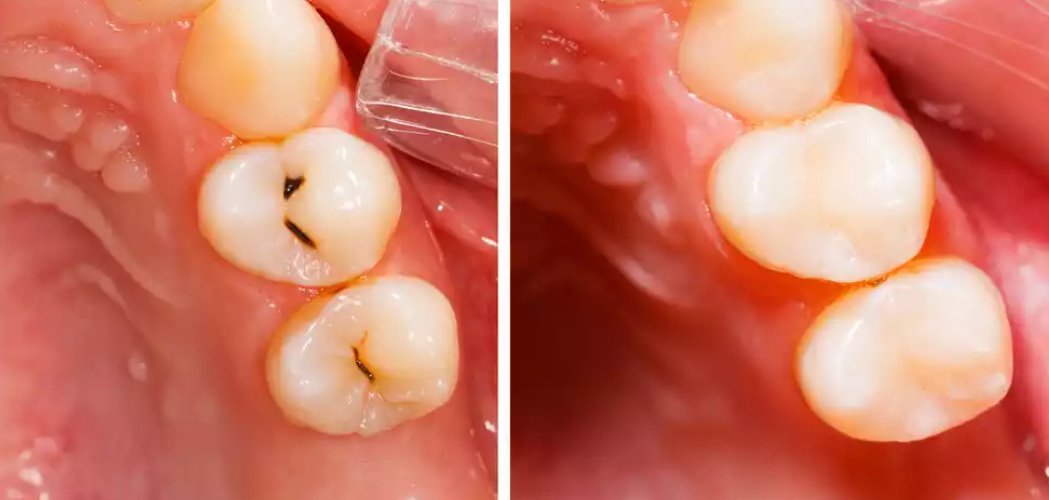
Sensitive teeth after a dental filling almost always come down to one thing. The tooth’s inner structure was recently disturbed, and it just hasn’t settled yet. It’s one of the most common causes of tooth sensitivity dentists deal with, day in and day out.
The Tooth Needs Time to Settle
Removing decay and placing a filling can irritate the tooth for a bit, especially when the cavity sat close to the tooth’s inner part. That can leave the tooth more responsive to temperature or pressure than usual, at least for a short while. It typically takes several days for that irritation to die down, which explains why teeth feel sensitive right after a filling but tend to improve on their own not long after.
A Bite That Sits Slightly High
Sometimes what feels like sensitivity isn’t really sensitivity at all. It’s a bite problem. If a new filling sits even a hair above the surrounding tooth, it ends up absorbing extra force every time you chew. That added pressure is a common reason a tooth feels sensitive when biting, usually right in that one spot. Good news is, a quick adjustment at your dentist’s office often clears this up in minutes.
Why Cold and Hot Feel So Intense
Underneath your enamel is a layer called dentin, and it’s made up of thousands of microscopic tubules leading straight toward the tooth’s nerve. When a tooth’s been recently worked on, those tubules can turn temporarily more reactive. So it’s not unusual for teeth to feel especially sensitive to cold or hot foods and drinks in the days after a filling. Some people notice sensitivity to sweets too during this stretch. Honestly, it’s one of the clearer signs a tooth is still healing, not that something’s wrong.
Why Are My Teeth Suddenly Sensitive? Other Common Causes
Not every case of sensitive teeth ties back to a recent filling. If you’re wondering why are my teeth suddenly sensitive, or asking yourself why are my teeth so sensitive out of nowhere, there are a few other causes of sensitive teeth worth ruling out.
Sensitive Teeth After Whitening
The process of whitening can increase some sensitivity because the whitening agent can cause irritation to the tooth’s inner structure. Drinks and cold food may appear sharper than usual following treatment, but generally speaking, the feeling disappears slowly over the course of a few days. Are you thinking about whitening your teeth with Cosmetic Dentistry? It is important to mention any sensitivity before you visit your dentist so they can anticipate the issue.
Gum Recession and Front Teeth Sensitivity
When gums recede, they expose the root surface, and that surface has no enamel to protect it. That’s why affected teeth often get more sensitive to cold, touch, or even brushing, and it’s one of the more common reasons people notice front teeth sensitivity specifically.
Worn Enamel, Cracks, or Old Fillings
Grinding, acidic foods, or a filling that’s simply reaching the end of its life can all wear down a tooth’s natural protection over time. That kind of sensitivity in teeth tends to build up slowly rather than hit all at once. It feels different from post-filling sensitivity, more of a gradual creep than a sudden change. A Restorative Dentistry check can tell you whether an older filling needs replacing.
What Is Tooth Sensitivity, Exactly?
Tooth sensitivity is basically the term for that quick, uncomfortable jolt you feel when a tooth’s inner dentin layer reacts to something, whether it’s temperature, pressure, sweetness, or sometimes even brushing. Figuring out what’s actually causing sensitive teeth in your case matters, because a recent filling, whitening, gum recession, and worn enamel can all feel remarkably similar even though they’re completely different problems.
Diagnosing Sensitive Teeth After Filling
Since so many different things can cause sensitive teeth, a dentist won’t just guess. A quick exam usually settles the question. This process helps separate ordinary post-filling healing from something that actually needs a different kind of treatment.
A Look at the Filling Itself
If your sensitivity starts right after a filling, the first thing a dentist usually checks is the filling itself: is it sitting flush with the surrounding tooth, are the edges smooth, does your bite feel even when you close down. Honestly, this one step resolves a good number of cases, since even a filling that’s just slightly high can be enough to keep a tooth feeling sensitive when biting.
Checking for Gum Recession or Exposed Roots
If the sensitivity isn’t linked to recent dental work, a dentist will usually check the gumline next. Wherever gums have pulled back, the exposed root surface tends to react to cold, sweets, and even a toothbrush far more noticeably than enamel ever would.
Testing the Nerve’s Response
For sensitivity that feels stronger or just doesn’t fit the usual pattern, a dentist might use a cold test or some gentle tapping to see how the nerve reacts. This helps rule out deeper issues, like a cavity that’s reached the nerve or a crack that isn’t visible on the surface.
An X-Ray When Needed
An X-ray is typically recommended only when the cause of the sensitivity isn’t clear or the dentist needs a closer look beneath the tooth’s surface. It can reveal decay hidden beneath an old filling, cracks, or changes at the root that a normal examination simply won’t detect.
Most of the time, this procedure takes only one visit. Many patients are left with a clear explanation and a simple fix rather than something more complex.
Normal vs. Prolonged Sensitivity: How to Tell the Difference
One question dentists hear constantly after a filling: is this normal, or should I actually be worried? Here’s a rough breakdown to help sort that out.
| Signs of Normal Sensitivity | Signs You Should See a Dentist |
| Mild discomfort with hot, cold, or sweet foods | Sharp or severe pain that lingers |
| Sensitivity gradually improves | Sensitivity worsens or does not improve |
| Discomfort occurs mainly with a trigger | Pain occurs without an obvious trigger |
| No swelling or significant tenderness | Swelling, pressure, or tenderness develops |
| Bite feels normal | Sharp pain or discomfort when biting |
If what you’re experiencing lines up with the right hand column, it’s probably time to book a follow-up rather than just waiting it out.
Tooth Sensitivity Treatment: How to Stop the Pain
Whether your sensitivity followed a filling or crept up out of nowhere, these are the approaches dentists tend to recommend to help treat sensitive teeth.
Desensitizing Toothpaste
A toothpaste made for sensitive teeth works by gradually blocking those microscopic tubules in dentin, making it harder for hot, cold, or sweet sensations to reach the nerve. Most people start noticing a difference after using it consistently for one to two weeks. It’s not an overnight fix, but it’s genuinely one of the most effective at-home options for managing sensitivity.
Rethink Your Toothbrush and Technique
Switching to a soft-bristled brush and using gentle circular strokes instead of aggressive back-and-forth scrubbing can cut down on further enamel wear and gum recession, two of the biggest long-term contributors to sensitive teeth. It’s also part of the routine care you’d get during a Preventative Dentistry visit anyway.
Skip the Temperature Extremes for Now
While your tooth’s healing, giving very hot, very cold, or very sweet foods and drinks a short break can make everyday life a lot more bearable. A straw helps too, routing cold drinks away from a particularly sensitive spot.
Ask About In-Office Options
Depending on what’s causing it, a dentist might recommend fluoride varnish, desensitizing products, bonding, or other treatments to protect the sensitive area.
Don’t Ignore a High Bite
If biting down is what sets off the pain, this might be one of the quicker fixes out there. A short bite adjustment appointment can often provide relief in a single visit.
Extreme Tooth Sensitivity: When It’s More Than Just Healing
Every so often, tooth sensitivity signs point to something beyond ordinary post-filling healing, like a cavity that’s reached the nerve, a crack in the tooth, or maybe even an infection. Extreme tooth sensitivity paired with any of the following should get checked out by a dentist promptly:
- Pain that continues after hot or cold exposure instead of fading quickly
- Sensitivity that’s getting worse instead of better
- Visible swelling near the gumline
- A bad taste or odor near the treated tooth
- Pain that spreads toward your ear or jaw
If swelling, severe pain, or fever show up alongside any of this, it’s worth getting seen sooner rather than later. Our Emergency Dental Care team can get you in quickly. Most sensitivity resolves on its own, sure, but these particular signs are the ones dentists take seriously, since they can point to something that actually needs treatment rather than just time.
Preventing Sensitive Teeth Going Forward
Simple habits can help reduce the risk of tooth sensitivity. Use a soft-bristled toothbrush, limit acidic foods and drinks, and consider a nightguard if you grind your teeth. Regular dental visits can also help catch small problems before they become more serious. If your teeth are sensitive to cold or sweets, let your dentist know before treatments such as cleanings or whitening.
Frequently Asked Questions
Q1. Why is my tooth sensitive after a filling?
Most of the time, it’s just the tooth adjusting to recent treatment. Give it a little time, and the irritation usually settles down on its own.
Q2. How long does tooth sensitivity after a filling usually last?
For most people, it clears up somewhere between a few days and two weeks. That said, how deep the filling was, and which tooth it’s in, can push that timeline a bit longer or shorter.
Q3.What is tooth sensitivity?
It’s a sharp or uncomfortable sensation that can occur when triggers such as cold, heat, sweets, or touch stimulate the tooth, often because dentin or another sensitive area is exposed or irritated.
Q4. Why do my teeth feel sensitive even without a recent filling?
A few different things could be going on. Receding gums, worn enamel, recent teeth whitening, or an aging filling starting to break down can all cause sensitivity, even without any new dental work.
Q5. What helps sensitive teeth at home?
Using a toothpaste made for sensitive teeth and brushing gently with a soft-bristled toothbrush may help. Avoiding very hot, cold, or sweet foods for a short time can also make sensitivity easier to manage.
Q6. When should a dentist check sensitive teeth?
If you don’t see improvement after a few weeks, or you notice swelling, or the bite suddenly causes pain, it’s your signal to schedule an appointment rather than putting it off to be resolved..
When to Reach Out to Allure Dentistry & Aesthetics
Sensitive teeth after a filling are usually nothing more than a tooth taking its time to heal. Still, you shouldn’t have to guess which category your symptoms fall into. If your sensitivity isn’t easing up, or something just feels off, the team at Allure Dentistry & Aesthetics, a trusted dentist in Canton, MA, is here to take a closer look and help you feel comfortable again.