
| Quick Answer: Gum disease stages move from gingivitis through increasingly advanced periodontitis. Dentists usually explain this progression to patients in four easy-to-follow stages. Catch the early gum disease stages in time, and the damage is fully reversible. Miss that window, and treatment turns into damage control instead of a fix. |
Gum disease stages can begin with subtle changes you may notice while brushing. A little pink on the bristles, gums that look puffier than usual, or that spot near your back molar that’s been tender for a week now. Most people shrug it off, not realizing it could already be one of the early gum disease stages setting in. Because nothing hurts, it’s easy to brush it off. Life moves on, and the toothbrush goes back in the cup like nothing happened.
Here’s the thing though: gum disease doesn’t show up all at once. It creeps. Where you are in that creep, whether you’re at the very start or a few stages deep, changes what “fixing it” actually looks like. If redness on its own is what brought you here, Why Is My Gum Red? covers that specific symptom in more depth.
So let’s walk through it. What each stage looks like, feels like, and what a dentist would actually do about it.
What Is Periodontal Disease, Really?
Periodontal disease is really just the clinical name for gum disease, this slow infection and inflammation that quietly eats away at the tissue and bone holding your teeth in place. And it all starts with something pretty ordinary: plaque. That filmy stuff building up on your teeth every single day, whether you’re paying attention or not. Leave it sitting there long enough and it hardens into tartar, and that’s honestly where the real trouble kicks in, because tartar irritates the gumline in a way your toothbrush just can’t fix on its own anymore.
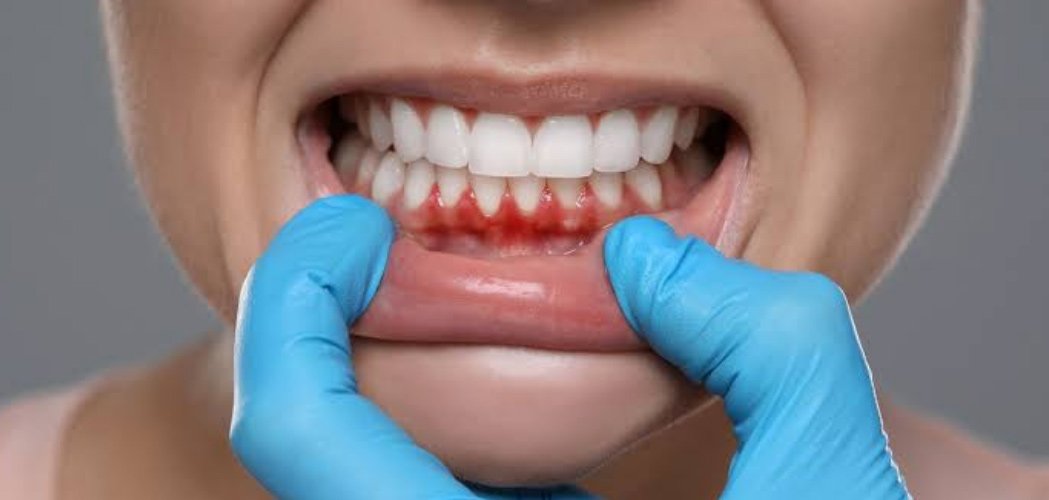
Want to know if your gums are actually healthy? It’s not that complicated. Healthy gums are firm, a pale pink, and they hug each tooth without any drama, no bleeding when you brush. Unhealthy gums look and act different: puffier, redder (sometimes almost purple), tender to the touch, and yes, they bleed. If you’ve noticed that shift, that’s usually your first sign something’s off.
The Gum Disease Stages, One by One
Dentists officially diagnose periodontitis using a formal staging system (Stage I through IV) based on bone loss, attachment loss, and treatment complexity, not a simple 1-through-4 count starting at gingivitis. For patient education, though, the gum disease stages are commonly explained as a four-part progression. That’s the version below, useful for understanding what’s happening in your mouth, even if it’s not the exact language your dentist would use on a chart.
Stage 1: Gingivitis, the Early Stage You Actually Want to Catch
Gingivitis marks the very start of the gum disease stages, and it’s the one point in this progression where things can be fully reversed. At this stage, inflammation is limited to the soft tissue. No bone or attachment loss has happened yet, which sounds minor, and in a way it is, but it’s also your entire window for reversing things without permanent consequences.
What does it actually look like? Typical signs include mild redness and bleeding when you brush or floss, even if it’s just a little. Breath that doesn’t quite smell fresh no matter how many mints you eat. If a dentist measured pocket depth at this stage, it’d typically sit around 1 to 3 millimeters, still within the healthy range. That’s the good news. Catch it here, get a proper cleaning, stay consistent with brushing and flossing, and gum tissue can bounce back within a couple of weeks. Genuinely.
Stage 2: Early Periodontitis
Ignore gingivitis long enough and, in some people, it can progress into early periodontitis, especially when plaque and tartar buildup and other risk factors go unaddressed. This is where things stop being fully reversible, because bacteria have worked their way under the gumline, and the immune system’s own response to fight the infection ends up damaging the bone that holds your teeth in place. Kind of counterintuitive, but that’s how it goes.
Pocket depths often creep up to 4 or 5 millimeters here, though pocket depth alone isn’t what a dentist uses to diagnose this stage. Gums start pulling back a bit, opening up tiny pockets where food and bacteria can hide. Bleeding gets more frequent, not just occasional. Some people notice more sensitivity too. The upside is that this stage still responds well to treatment, it’s just that treatment now means more than a regular cleaning.
Stage 3: Moderate Periodontal Disease
By this stage, things are harder to ignore. Pocket depths often push into the 5 to 6 millimeter range, and X-rays start showing real bone loss. Gums recede more visibly. Teeth might feel a bit loose. Chewing can get uncomfortable in a way it never used to be.
The damage here is permanent. That part doesn’t change. But it can absolutely be managed and slowed down with the right care, which matters, because left alone, this stage doesn’t stay put. It tends to move toward the last one.
Stage 4: Advanced Periodontitis
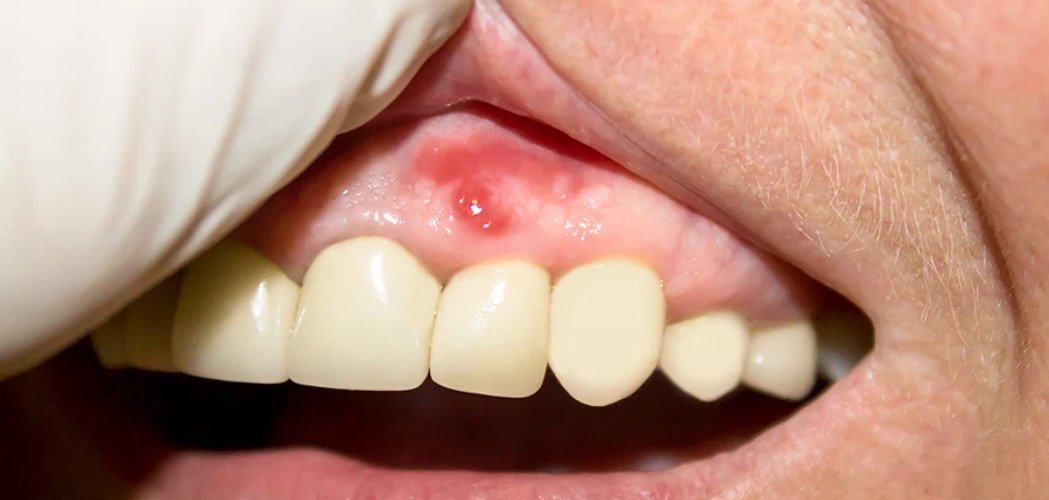
This is the deep end. Pocket depths can hit 7 millimeters or more by now, bone loss is extensive, and it’s common for teeth to loosen, shift out of place, or need to come out entirely. Some people end up dealing with real pain, swelling, or an abscess that isn’t something you wait on, and if that’s where you’re at, our Dental Emergency page walks through what to do next. Breath stays bad no matter how many times you brush. Gum recession is obvious just glancing in the mirror at this point. Honestly, this stage is one of the main reasons adults end up losing teeth to periodontal disease in the first place.
Gum Disease Stages: Typical Findings
| Stage | Pocket Depth | Bone Loss | Reversible? |
| Gingivitis | 1–3 mm | None | Yes |
| Early Periodontitis | 4–5 mm | Minimal | No, but manageable |
| Moderate Periodontitis | 5–6 mm | Moderate | No, manageable |
| Advanced Periodontitis | 7+ mm | Severe | No |
Note: Pocket depth alone doesn’t determine the stage of periodontitis. Dentists also look at attachment loss, bone loss, tooth loss, and other clinical findings before arriving at a diagnosis.
People ask about this a lot, and honestly, it’s a fair question. Gingivitis is inflammation. Periodontitis is an infection that’s made it down to the bone. That’s really the whole distinction. Gingivitis only touches the gum tissue, so there’s no lasting structural damage, nothing permanent. Once bone gets involved, that’s the point of no return, so to speak.
Gingivitis vs Periodontitis: Where’s the Actual Line?
Which brings up another common question: what happens if gingivitis just goes untreated? In some people, it develops into periodontitis, particularly when plaque and tartar are left to build up and other risk factors are in play. It’s not an overnight switch, either. It’s gradual, which is honestly the tricky part, because you could be sliding from one stage to the next for months without any dramatic symptom telling you so. That’s the whole argument for regular dental visits, even when your mouth feels totally fine.
Why Does Gum Disease Even Progress?
Plaque is the root cause, always. But a handful of things speed the whole process up:
✔️ Skipping brushing or flossing, even just occasionally
✔️ Smoking, which slows healing more than people realize
✔️ Diabetes and other conditions that affect immune response
✔️ Hormonal shifts, pregnancy being a big one
✔️ Certain medications that dry out your mouth
✔️ Genetics, some people are just more prone to it no matter how well they brush
Knowing your own risk factors genuinely helps here. And catching gum disease early usually comes down to paying attention to those risk factors alongside whatever symptoms show up, because early gum disease rarely hurts. That’s kind of the trap.
Getting Rid of Gingivitis: What Actually Works
Good news first: treating gingivitis isn’t complicated, and the earlier you catch it, the easier it stays.
What a Dentist Actually Does
For gingivitis, treatment often starts with a professional dental cleaning, sometimes called a dental prophy, to remove plaque and tartar, paired with better brushing and flossing habits at home. For gingivitis specifically, one solid cleaning plus consistent home care is often all it takes to get gum tissue back to healthy within a few weeks.
Once gum disease has progressed into periodontitis, treatment gets more involved. That’s usually when scaling and root planing (deep cleaning below the gumline) comes into play, along with more frequent cleanings, sometimes localized antibiotics, and in more advanced cases, surgery to reduce pocket depth or help regenerate lost bone and tissue.
What You Can Do at Home
None of the professional treatment sticks if the routine falls apart afterward. So:
✔️ Brush twice a day with a soft-bristled brush
✔️ Floss daily, not just the week before your cleaning
✔️ Use an antimicrobial rinse if your dentist suggests one
✔️ Cut out tobacco, all of it
✔️ Keep up with cleanings every six months, more often if periodontitis is already in the picture
What About Receding Gums?
Gum recession often shows up alongside periodontal disease, though it can happen entirely on its own too, from brushing too hard or just genetics. It usually starts small, a bit more tooth visible near the gumline than there used to be, and works toward root exposure and that sharp sensitivity to hot or cold drinks. Like periodontitis, it doesn’t fix itself once it sets in. Certain surgical options may be able to restore lost gum tissue, which is why catching it early matters.
Keeping Gum Disease From Ever Getting There
Prevention, honestly, isn’t complicated. It’s just consistent. Brush twice a day with a soft brush, floss daily, and you’re removing plaque before it ever gets the chance to harden into tartar. Regular checkups as part of ongoing Preventative Dentistry matter just as much, sometimes more, because a dentist can spot trouble months, even years, before you’d ever notice it yourself.
Diet matters too, more than people expect. Sugary and starchy foods feed the same bacteria that cause plaque buildup, so easing off where you can helps. And if you’re managing diabetes or anything else that slows healing, working with both your doctor and your dentist keeps gum disease from progressing the way it tends to when those conditions go unmanaged.
Frequently Asked Questions
Q1. Can gingivitis be reversed?
Yes, genuinely. It’s the one point in this progression that’s fully reversible. A professional cleaning plus consistent brushing and flossing usually brings gum tissue back to healthy within a few weeks.
Q2. What happens if gingivitis goes untreated?
In some people, it develops into periodontitis, especially when risk factors like plaque buildup, smoking, or uncontrolled diabetes are in play. Once that happens, it’s no longer reversible, just manageable.
Q3. What do the gum disease stages look like, one by one?
Depends on where you are in the progression. Early on, it’s mild redness and occasional bleeding. Further along, you’re looking at visible gum recession, loose teeth, and bad breath that doesn’t go away.
Q4. How do I tell normal gums vs. gingivitis at home?
Healthy gums are pink, firm, and don’t bleed when you brush. Puffiness, redness, tenderness, or blood on the toothbrush usually means gingivitis is starting, and it’s worth mentioning at your next visit.
Q5. Is moderate periodontal disease still treatable?
Yes, though the goal shifts from reversing it to managing it. Deep cleanings, more frequent visits, and sometimes localized treatment can slow or stop further bone loss.
When It’s Time to See Allure Dentistry & Aesthetics
Gum disease really is easier to deal with the earlier you catch it, and most of the warning signs aren’t hidden. You’ll notice them yourself, way before your next scheduled checkup ever comes around. So if your gums are bleeding more than they should, feeling tender, or just don’t look the way they used to, don’t just wait it out. Get them looked at. And if gum problems keep showing up no matter what you try, the team at Allure Dentistry & Aesthetics in Canton can take a look and figure out what’s actually going on.