
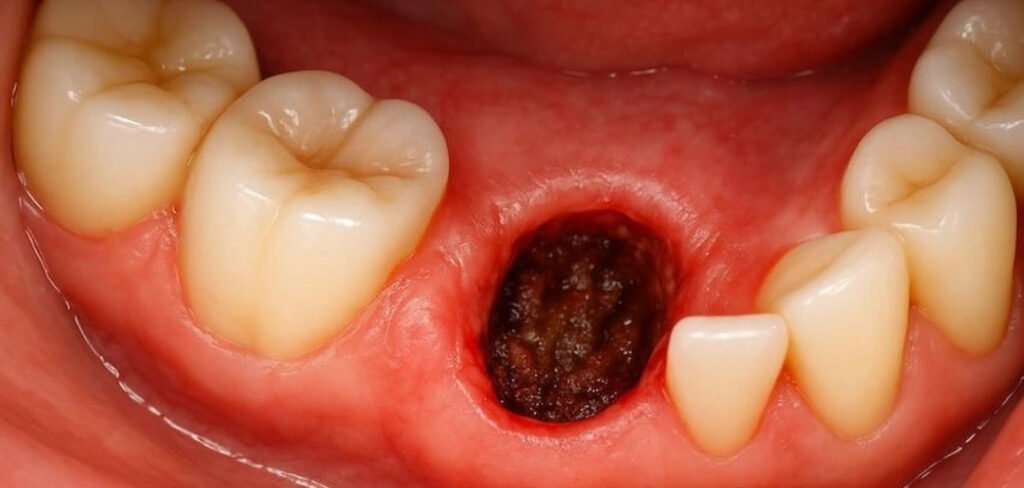
| Quick Answer: The best way to prevent dry socket is to avoid straws, smoking, and vigorous rinsing for at least a week after extraction; stick to soft foods, follow gauze instructions properly, and avoid strenuous activity for the first two to three days. These simple habits protect the blood clot that forms in the socket and lower your risk significantly. |
If you’ve just had a tooth pulled, or you’re about to, chances are someone has already warned you about dry socket. And honestly, that warning is worth taking seriously. The good news is that once you understand how to prevent dry socket, you can cut your risk down dramatically with a handful of simple habits in the days right after your procedure. Learning how to prevent dry socket early on, before your procedure even happens, is the easiest way to avoid days of unnecessary pain. Here’s a complete guide covering what dry socket actually is, how to spot it early, what causes it, and the exact steps that help you avoid it.
What Is Dry Socket, Really?
Let’s start with the basics. What is dry socket, or as some people search it, dry socket what is? When a tooth is removed, your body’s first move is to form a blood clot inside that empty socket. That clot isn’t just sitting there for no reason, it’s protecting the bone and nerve endings underneath while new tissue grows in. Dry socket happens when that clot gets knocked loose, breaks down too soon, or simply never forms the way it should.
Dentists call this alveolar osteitis, but nobody outside a dental office actually uses that term. Once the clot is gone, the bone and nerves are left exposed, and that’s where the pain comes from. It’s not just discomfort. Patients often describe it as one of the more intense pains they’ve felt after a routine dental procedure.
Why Wisdom Teeth Are More Prone to It
Dry socket wisdom teeth cases are more common than with regular extractions, mainly because wisdom tooth removal tends to be a deeper, more surgical procedure. Bigger sockets, more tissue disruption, longer healing time. All of it adds up to higher risk. If you’re already dealing with discomfort from an impacted or newly removed wisdom tooth,our Wisdom Tooth Pain Relief guide covers what’s normal during recovery and what isn’t.
What Does a Dry Socket Look Like?
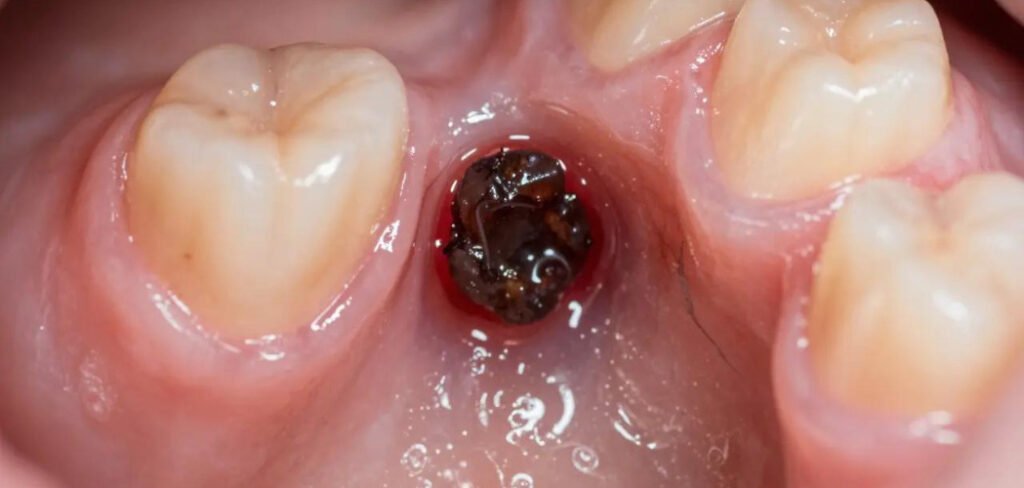
A lot of people search for this because they’re genuinely trying to check their own mouth in the mirror. So, what does a dry socket look like? A normal, healing socket has a dark reddish or maroon clot filling the space. A dry socket, on the other hand, looks empty. You might actually see a whitish patch of bone where the clot should be. The gum tissue around it can also look a bit swollen or irritated.
If you shine a flashlight in there a few days post extraction and it looks hollow instead of clotted, that’s usually a sign something’s off with the healing process.
Dry Socket Symptoms You Shouldn’t Ignore
Catching the signs of dry socket early makes a real difference in how quickly you get relief. Here’s what to watch for.
Common Dry Socket Symptoms
- A throbbing pain that kicks in around day two to four after the extraction, not immediately
- Pain that spreads toward your ear, jaw, or even your eye on the same side
- An empty looking socket instead of the expected clot
- A bad taste or persistent bad breath that wasn’t there before
- In some cases, a mild fever, though this can also point toward infection and is worth mentioning to your dentist either way
What Does Dry Socket Feel Like?
This is probably the most searched version of the question, and for good reason. People want to know if what they’re feeling is normal or not. What does dry socket feel like compared to regular healing pain? Normal extraction soreness is dull, manageable, and gets better every single day. Dry socket pain does the opposite. It often starts mild and then ramps up sharply, sometimes to the point where over the counter painkillers barely touch it.
That’s really the core difference when people try to figure out dry socket vs normal healing. Direction matters more than intensity. If your pain is trending downward, you’re probably fine. If it’s climbing, something needs attention.
How Do I Know If I Have Dry Socket?
If you’re asking yourself how do i know if i have dry socket, the honest answer is to trust the pattern. Worsening pain a few days out, combined with a visibly empty socket, is the clearest combination of signs of dry socket you’ll find without an actual dental exam.
What Causes Dry Socket?
Knowing what causes dry socket is really the foundation of prevention, because most of the causes of dry socket are things you can actually control. If you’ve ever wondered how do i get dry socket in the first place, it almost always comes down to one of the risk factors below disturbing the clot too early.
The Main Risk Factors
- Smoking or vaping. The sucking motion alone can dislodge a fresh clot, and nicotine slows healing on top of that.
- Using a straw, which creates the same suction issue from a different source.
- Aggressive rinsing or spitting too soon after the procedure.
- Poor oral hygiene, which raises infection risk.
- Hormonal birth control, which can interfere with normal clotting.
- Complex or surgical extractions, especially wisdom teeth.
Can Swallowing Cause Dry Socket?
This one comes up a lot, and it’s a fair question. Can swallowing cause dry socket? Not really. Normal swallowing doesn’t generate enough force to dislodge anything. It’s the deliberate suction from straws, smoking, or vigorous spitting that actually causes trouble, not everyday swallowing.
How to Prevent Dry Socket
Here’s the part everyone’s actually here for. If you want to know how to prevent dry socket, or you’re searching how to avoid dry socket after an upcoming procedure, these are the habits that matter most.
Step by Step Tips: How to Prevent Dry Socket
1. Skip the Straws Completely
Avoid anything that involves a sucking motion for as long as your dentist recommends, typically around a week. Cutting out suction-based habits is considered one of the most effective ways to lower your risk.
2. Don’t Smoke or Vape
If you can pause smoking for even 48 to 72 hours post extraction, your risk drops significantly. This is genuinely one of the biggest single factors in preventing dry socket after tooth extraction.
3. Go Easy on Rinsing
Skip rinsing entirely for the first 24 hours. After that, gentle warm salt water rinses are fine, just don’t swish aggressively.
4. Stick to Soft Foods
Cool, soft foods reduce the chance of anything disturbing the clot while it sets.
5. Follow Gauze Instructions Properly
Bite down gently and consistently as instructed. This helps the clot form correctly in the first place.
6. Avoid Heavy Physical Activity
Skip the gym for a couple of days. Elevated blood pressure can interfere with clot stability.
7. Keep Up Gentle Oral Hygiene
Brush carefully, avoiding the extraction site directly, to keep bacteria levels down without disturbing healing tissue. Staying current with routine cleanings, like a What Is a Dental Prophy, also helps keep your mouth in good shape once the socket has fully healed.
How Long to Keep Gauze In After Extraction
Another common question is how long to keep gauze in after wisdom tooth extraction. Most dentists recommend firm, steady pressure for around 30 to 45 minutes right after the procedure, replacing the gauze if bleeding hasn’t slowed enough.
Eating and Drinking After Extraction
Best Food to Eat After Tooth Extraction
Good choices include mashed potatoes, yogurt, smoothies (spoon fed, never through a straw), scrambled eggs, and soup once it’s cooled down enough to eat comfortably.
How Long After Tooth Extraction Can I Eat?
Wait until the numbness fully wears off before eating anything, then stay on soft foods for roughly three to five days.
Can I Drink Soda After a Tooth Extraction?
Carbonation and sugar together can irritate the extraction site, so it’s best to avoid soda for several days.
Can I Use a Straw 3 Days After Tooth Extraction?
Even at the three day mark, it’s still a risk. Most dentists suggest waiting the full week before straws come back into the picture.
How to Eat After Wisdom Teeth Removal
Stick to soft, lukewarm, non spicy foods, and chew away from the extraction site whenever possible.
Dry Socket Treatment
If prevention didn’t quite work out and you’re now dealing with dry sockets after wisdom tooth extraction, or dry socket teeth removal in general, don’t panic. Dry socket treatment is straightforward and usually brings quick relief.
What Dentists Typically Do
- Clean the socket thoroughly to remove any debris
- Pack it with a medicated dressing to ease pain and support healing
- Recommend pain relief medication
- Schedule follow ups to change the dressing as needed
How Do I Treat a Dry Socket at Home Before Seeing a Dentist?
Warm salt water rinses and over the counter pain relief can help temporarily if you’re asking how do i treat a dry socket or how to treat dry socket before your appointment. That said, this is really a stopgap. Proper dry socket treatment from a dentist is what actually resolves it.
How Long Does Dry Socket Last?
With treatment, most people see real improvement within 7 to 10 days. Left untreated, it tends to drag on much longer and the pain generally gets worse instead of better.
When Should You See a Dentist?
If you’re dealing with throbbing pain 5 days after wisdom teeth removal, or general tooth extraction pain that just isn’t easing up, that’s your signal to book a visit with your dentist for dry socket evaluation rather than waiting it out. Coming in early rather than trying to tough it out at home means faster, easier treatment.
Frequently Asked Questions
Q1. What is dry socket after tooth extraction?
It’s a condition where the blood clot that normally protects the empty socket after a tooth extraction gets dislodged or dissolves too early, leaving bone and nerves exposed. It usually shows up two to four days after the procedure and causes noticeably sharper pain than normal healing.
Q2. Is early stage dry socket different from full-blown dry socket?
Early stage dry socket usually starts as mild, nagging discomfort that’s easy to mistake for normal soreness. Within a day or so it tends to intensify into the classic throbbing pain, which is why catching it early and calling your dentist makes such a difference
Q3. Are wisdom teeth dry socket cases treated any differently?
Not really. Wisdom teeth dry socket cases are treated the same way as any other, cleaning the socket and packing it with a medicated dressing, though recovery can take a touch longer simply because the extraction site is bigger.
Q4. Can I check my own dry socket teeth at home?
You can get a rough idea by looking for an empty, whitish-looking socket instead of a dark clot, but a dentist is really the only one who can confirm it properly and start treatment right away.
Q5. How is dry socket different from a regular healing socket?
A regular socket has a dark clot and pain that fades day by day. Dry socket looks empty, and the pain climbs instead of easing, which is the clearest giveaway.
Final Thoughts
Dry socket sounds scarier than it needs to be, mostly because prevention really is within your control. If you take away one thing from this guide on how to prevent dry socket, let it be this: skip the straws, hold off on smoking, eat soft and cool foods, and follow your dentist’s aftercare instructions closely. That combination handles most of the risk on its own. And if something still feels off a few days in, don’t wait around hoping it improves. The team at Allure Dentistry & Aesthetics is always here to check it out and get you back to normal as quickly as possible.