
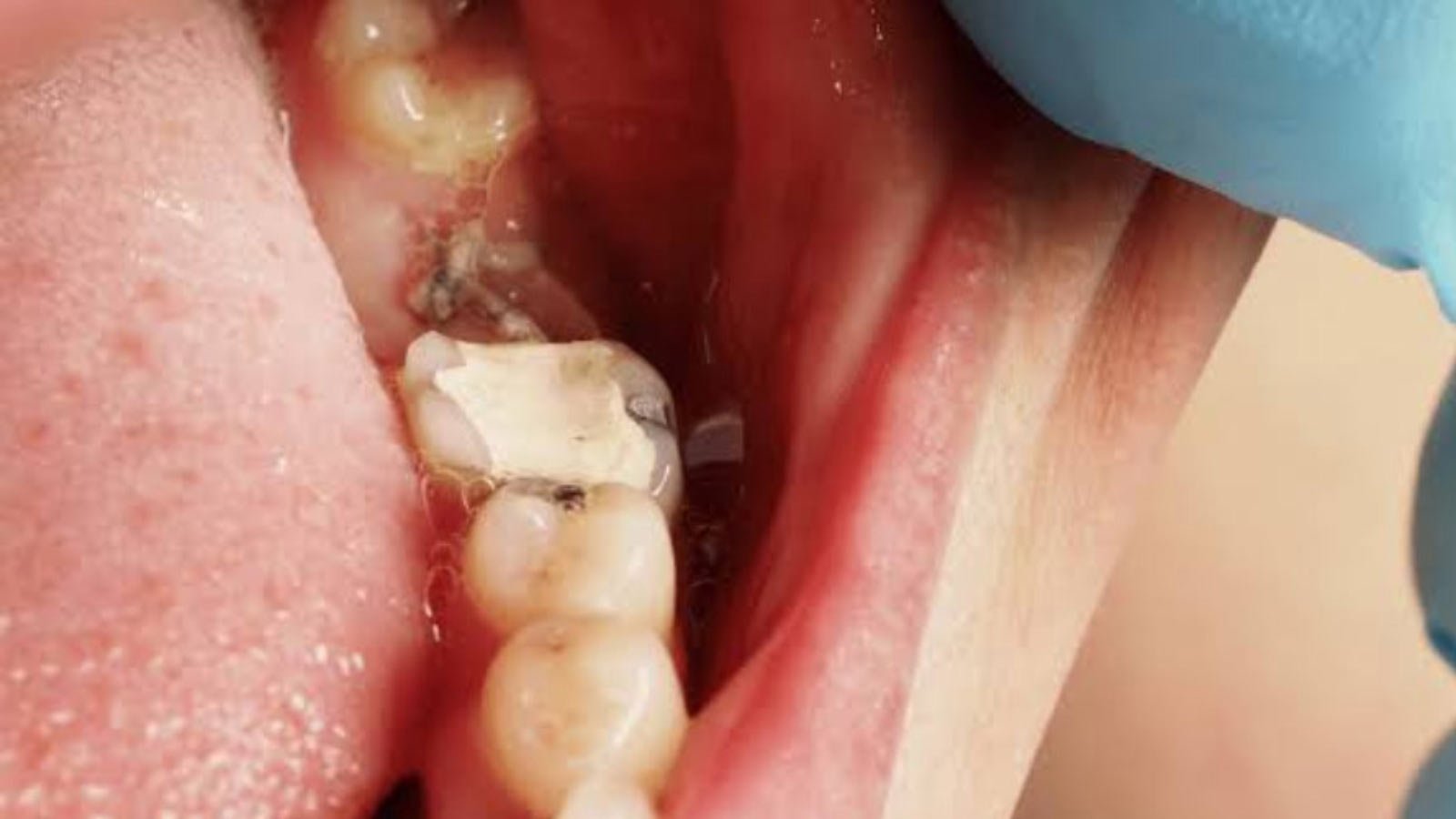
| Quick Answer: Here’s how to tell if you have a cavity. Notice whether one tooth reacts to cold, heat, or sugar, aches after meals, or hurts when you bite. Look for a pit, a hole, or a stubborn dark spot, and pay attention to food that keeps lodging in the same gap. Many cavities give no warning at all, though, so a dental exam with X-rays remains the most dependable way to find out. |
Nobody schedules a dental visit over a cavity they can’t feel, and that’s exactly the catch. A cavity can sit quietly for months. By the time it finally aches, the tooth usually needs more work than it would have earlier. Knowing how to tell if you have a cavity while it’s still small can save you money, time, and one very unpleasant weekend.
Below you’ll find the warning signs people tend to shrug off, a five-minute check you can do at home, and the things a dentist sees that no bathroom mirror ever will.
What Is a Cavity, Really?
A cavity is a spot where a tooth has lost minerals, softened, and broken down into a small hole. Dentists call the process tooth decay or dental caries. It begins on the enamel, the tough outer coat, and heads inward if nothing stops it.
Here’s the part people don’t expect. A dental cavity doesn’t start as a hole. It starts as a dull, chalky patch that you’d need good light to notice, and the hole shows up much later.
How Do You Get a Cavity?
Everything starts with plaque, the sticky film that builds on your teeth all day. The bacteria in it feast on sugar and starch, then release acid as a byproduct. That acid pulls minerals out of the enamel, bit by bit.
Frequency matters more than most people think. Sip a latte for three hours and your teeth sit in acid the whole time. Drink the same latte in ten minutes and they get a break. Dry mouth, missed flossing, and receding gums make things worse.
How to Tell If You Have a Cavity: Signs People Often Overlook
Cavity symptoms vary a lot, and not every cavity causes pain or sensitivity. Some people notice every stage. Others feel nothing until the damage is deep. So what are the signs of a cavity? If you’re trying to work out how to know if you have a cavity, these come up most often.
When Cold Water Suddenly Bites Back
That sharp zing from an ice cube or a spoonful of ice cream is one of the classic tooth decay symptoms. Thinner enamel lets temperature reach the layer underneath. But sensitivity alone doesn’t prove anything, since worn enamel and gum recession cause it too. What matters is whether the same tooth keeps reacting.
An Ache That Shows Up After Meals
Early on, a cavity in a tooth might throb for a few minutes after you eat, then quiet down. Later the ache can hang around or wake you at night. A recurring ache is one of the signs you have a cavity, and it doesn’t need to be constant to count. If a tooth keeps complaining, don’t wait for it to get louder, even when it feels fine between episodes.
Pain When You Chew
Biting puts pressure right on the weak spot. If one tooth hurts every time you bite down, get it looked at. A cracked tooth can feel almost identical, and telling the two apart is the dentist’s job.
A Hole in Tooth Enamel or a Dark Spot
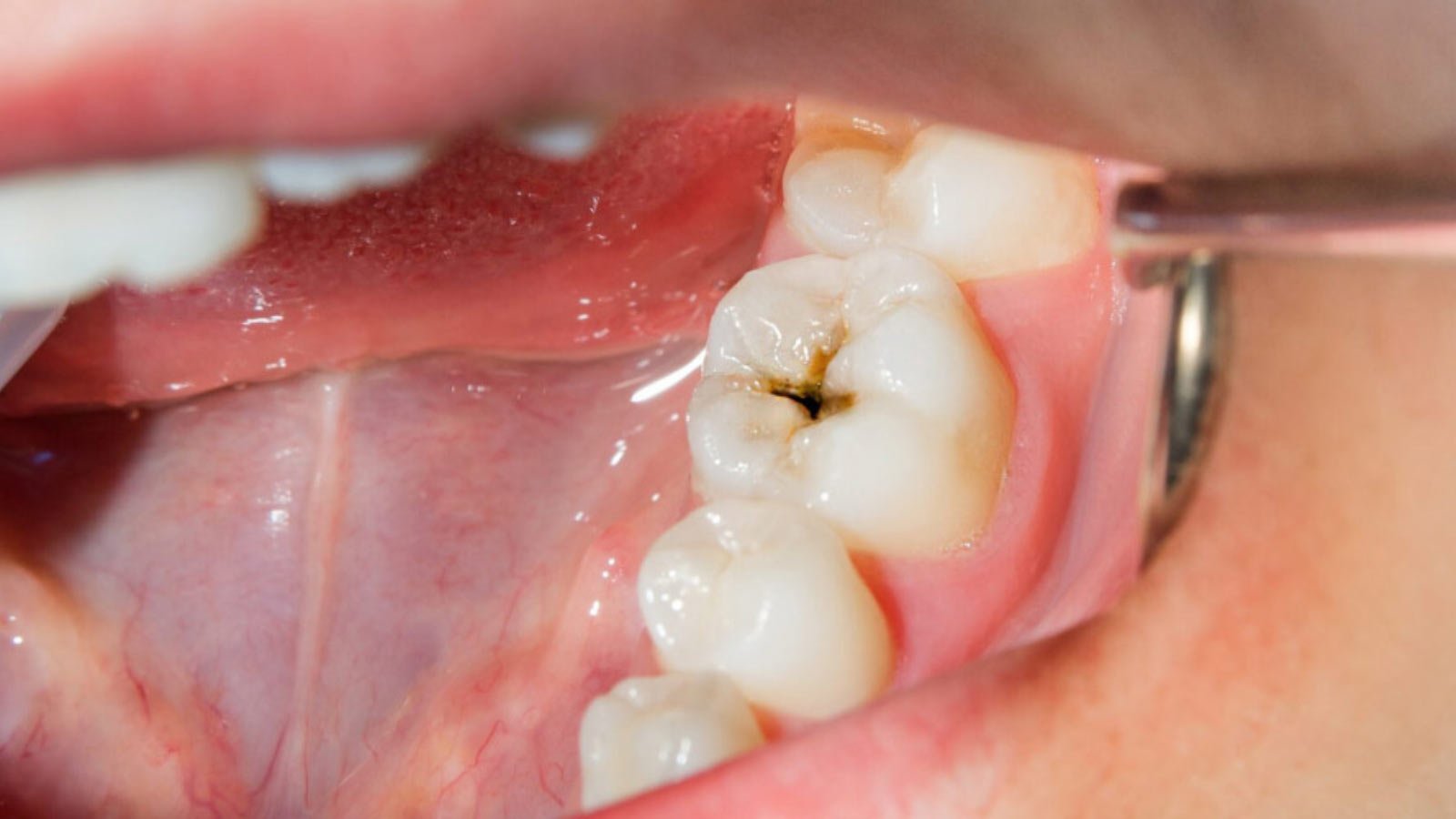
Sometimes you can simply see it. A pit or a hole in tooth enamel is a strong reason to book a visit. A dark spot in a groove might be decay, though tea and coffee stains look similar, so it needs a professional opinion.
Can you see a cavity on your tooth without help? Occasionally. Plenty hide between teeth, and a cavity in molar grooves is easy to miss because the back of your mouth is awkward to inspect. A tooth with a hole deserves attention. A tooth that looks perfect isn’t automatically fine.
Stains That Aren’t Just Coffee
A chalky white band near the gumline is often the earliest visible change. It means minerals are leaking out of the enamel. Brown or black patches can be among the signs of a decaying tooth, usually once the damage runs deeper. Not every dark mark is decay, though. Surface stains often polish off during a cleaning, and decay doesn’t.
Floss That Shreds and Food That Won’t Budge
If floss catches or shreds in the same spot every time, that spot has a story. It could be a rough edge, a worn filling, or sometimes a cavity between the teeth. Treat it as a clue rather than proof. Food that keeps packing into one gap is a similar hint. So is a bad taste that never quite clears.
Stages of Tooth Decay: What Each One Can Feel Like
Decay moves in steps, and the symptoms of tooth decay change as it goes. This table shows a typical path, though real mouths rarely follow a script.
| Stage | What you may notice | What often helps |
| Early enamel changes | Chalky white spots, usually painless | Fluoride, better cleaning, watchful monitoring |
| Enamel decay | A tiny pit, mild sensitivity | Often a filling |
| Dentin decay | Sharper sensitivity, a visible hole, pain with sweets | Often a filling or a larger restoration |
| Pulp involvement | Deep ache, throbbing, pain at night | Your dentist may recommend root canal treatment or, in some cases, extraction |
| Abscess | Swelling, a pimple on the gum, fever, severe pain | Urgent dental care |
Some people skip the painful stages entirely, and others feel every one. Only a dentist can tell which stage a particular tooth is in. Still, the pattern shows why waiting rarely pays off.
Checking for a Cavity at Home
Your bathroom mirror can’t diagnose decay. It can, however, catch trouble early enough to get you an appointment. Learning how to know if you have a cavity forming mostly comes down to looking carefully and taking notes.
How to Tell If You Have a Cavity at Home in Five Steps
- Get bright light and a clean mirror. A phone flashlight does the job.
- Scan every chewing surface, especially the backs of your molars, for pits, dark grooves, chalky patches, or a hole in molar surfaces.
- Slide your tongue over each tooth and notice any rough spot or sharp edge.
- Floss slowly and note any snag or shred.
- For a few days, jot down what sets off pain (cold, sweets, chewing) and which tooth it is.
Leave the pins, picks, and fingernails alone. Poking a soft spot can irritate the tooth and tells you nothing a dentist can’t learn more safely.
What Your Bathroom Mirror Will Miss
Cavities between teeth, under old fillings, and along the gumline are tough to spot. Early signs of cavities can feel like nothing at all, so a clean-looking home check doesn’t rule anything out. Then how can you tell if you have a cavity when nothing hurts? Regular exams and X-rays. Use your home check to decide how soon to book, not as permission to skip the visit.
Is It a Cavity or Something Else?
Plenty of problems feel like decay:
- Gum recession: exposed root surfaces can react to cold.
- A cracked tooth: pain often flashes as you release a bite.
- Sinus pressure: upper back teeth may ache during a cold.
- Gum irritation: food trapped near the gumline can hurt without any decay.
- Wisdom tooth trouble: an aching back tooth might come from an erupting or impacted wisdom tooth.
Since these overlap so much, guessing rarely works. An exam and X-rays usually settle it.
Cavity Myths That Keep People From Booking
Some popular beliefs quietly delay care. A few of the common ones:
- “No pain means no cavity.” Early decay is often silent.
- “Only sugar causes cavities.” Bread, chips, and crackers feed the same bacteria.
- “Brushing harder prevents decay.” Scrubbing can wear enamel and irritate gums. Fluoride toothpaste and gentle, steady technique matter more.
- “Baby teeth don’t matter.” Decay in baby teeth can still cause pain and infection. Our Pediatric Dentistry team sees kids from their first tooth into their teens.
What Happens If You Have a Cavity and Ignore It?
Once decay breaks through the enamel, the tooth can’t rebuild itself. Very early chalky spots may re-harden with fluoride and good hygiene. A true hole needs a dentist.
Leave it long enough and the decay can reach the pulp, the soft center that holds the tooth’s nerves and blood supply. At that point a simple filling may turn into root canal treatment. If you’re curious what that appointment involves, how long does a root canal take breaks it down. Bacteria that escape past the root tip can cause an abscess. Sometimes the tooth can’t be saved.
Receding gums add another risk. Exposed roots can develop a root cavity, and root surfaces tend to decay faster because enamel doesn’t cover them.
How a Dentist Finds What You Can’t See
Many people ask, “How do I know if I have cavities?” or, when only one tooth is bothering them, “How do I know if I have a cavity?” The honest answer is that a dentist can often find them before you feel anything.
During an exam, the dentist looks at each tooth under good light, usually with a small mirror. A dental instrument may test for soft or sticky spots. X-rays reveal what the eye can’t, such as decay between teeth or under an old filling.
That’s why regular visits matter. Routine cleanings, often called a dental prophy, usually happen alongside an exam, so small problems get caught early.
What Treatment Looks Like Once a Cavity Is Found
The right treatment depends on how deep the decay goes, and your dentist decides after an exam and X-rays. Small to moderate cavities are often treated with a filling. Bigger ones may need a crown or another restoration. If the nerve is infected, your dentist may discuss root canal therapy or, in some cases, extraction.
You can read more about these options on our Restorative Dentistry page. Your dentist will walk you through what fits your tooth.
How to Lower Your Odds of the Next Cavity
Prevention isn’t fancy. It’s just consistent. The American Dental Association’s guide to cavities shares similar basics:
- Brush twice a day for two minutes with fluoride toothpaste.
- Clean between your teeth once daily.
- Go easy on frequent sips of sugary or acidic drinks.
- Keep up with regular exams and cleanings.
Our preventive care includes exams, cleanings, X-rays, and fluoride treatments. For most people, good home habits plus routine visits keep a cavity on teeth from arriving as a surprise.
Cavity Warning Signs That Shouldn’t Wait for Your Next Checkup
Some symptoms suggest the problem has moved beyond a routine fix. Call promptly if you notice:
- Swelling in the gums, cheek, or face
- Tooth pain along with a fever
- A throbbing ache that keeps you up at night
- A pimple-like bump on the gum, or a foul taste that won’t go away
These can point to infection. Our guide on what to do during a dental emergency covers the first steps. If swelling makes it hard to breathe or swallow, head to the nearest emergency room instead.
Conclusion: Catch Small Signs Before They Turn Into Big Repairs
Knowing how to tell if you have a cavity boils down to a few habits. Notice a tooth that keeps reacting. Look over the surfaces you can reach. And never assume a painless tooth is a healthy one, since early decay tends to stay quiet.
If something feels off, Allure Dentistry & Aesthetics in Canton, MA can take a look. Call 781-739-2215 or visit 510 Washington St, Canton, MA 02021. We’re open Monday to Thursday, 8 AM to 5 PM, and Friday, 8 AM to 1 PM.
Frequently Asked Questions
Q1. Do I have a cavity if my tooth doesn’t hurt?
It’s possible. Plenty of cavities are painless in the early going, which is exactly why exams and X-rays exist. A pit, a stain, or new sensitivity is reason enough to get checked, even if nothing aches.
Q2. How do you know if you have a cavity in a molar?
Molars have deep grooves that trap food, so decay often starts there. Watch for pain when chewing, a dark groove, food packing, or a hole in molar surfaces. Because back teeth are hard to see, an X-ray usually settles the question.
Q3. Is a hole in a tooth always a cavity?
Not always. A chip or worn spot can leave a similar hollow. Still, any new hole in tooth surfaces deserves a look, because the cause is hard to judge by eye.
Q4. Can a cavity go away on its own?
Not once a hole has formed. Very early enamel changes, before the surface breaks, may reverse with fluoride and better cleaning. After that, treatment is the way forward.
Q5. How can you tell if you have a cavity between your teeth?
If you’re wondering how to tell if you have cavities in tight spots, watch for floss that shreds, food that packs into one gap, or a twinge when you chew. These cavities rarely show in a mirror, so X-rays are usually how a dentist finds them.