
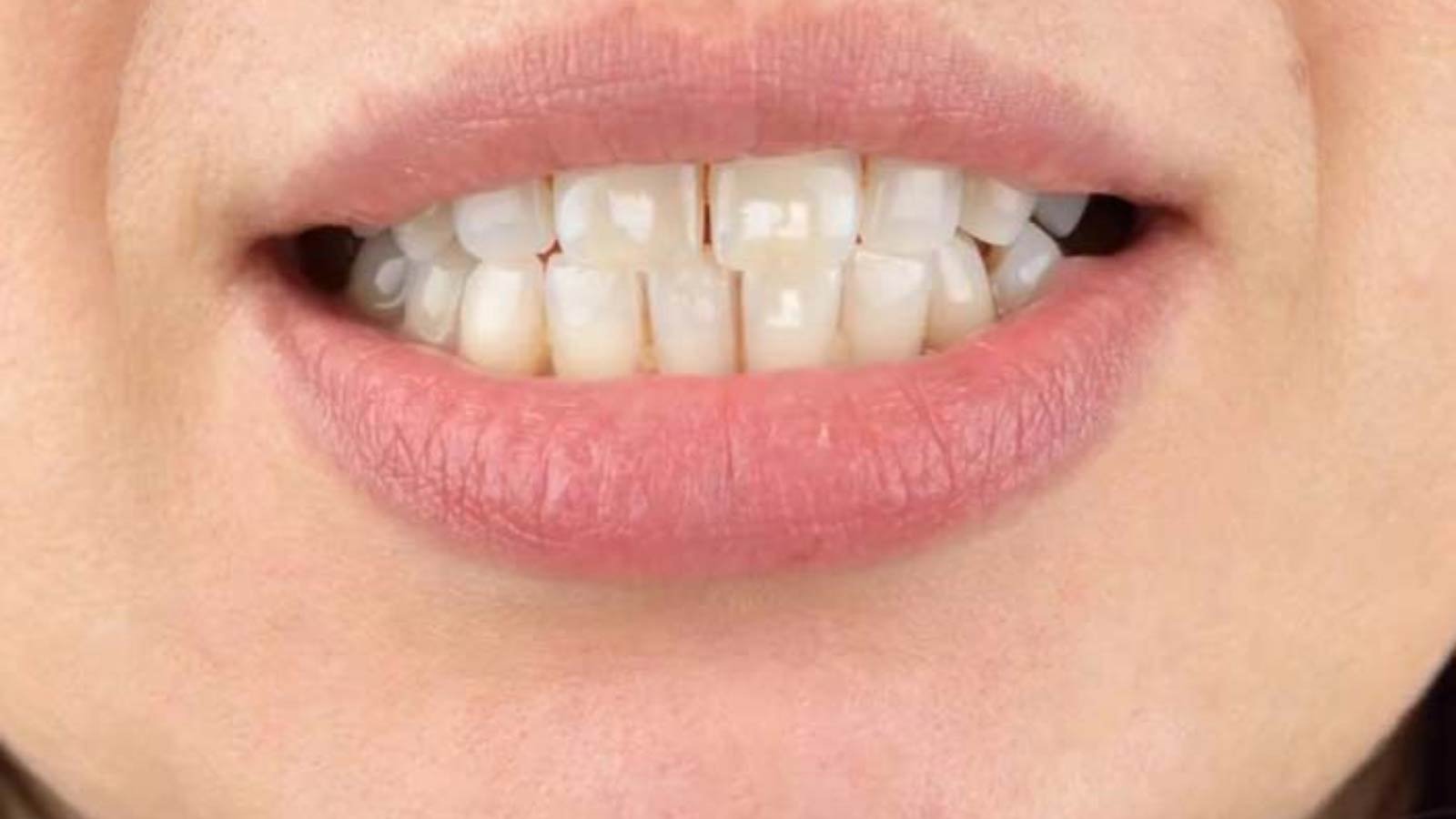
| Quick Answer: White spots on teeth are usually areas where enamel has lost minerals or developed differently. Plaque acid, braces, fluorosis, and dry mouth are the most common causes. Some early spots can improve with fluoride and better brushing, while developmental spots tend to stay put. A dentist can usually narrow down the cause with an examination and a few questions about your oral health and history. |
So you noticed it. Maybe in a photo, maybe under that unforgiving bathroom mirror light, or the week your braces finally came off. A small chalky patch, right there, that you’re pretty sure wasn’t part of your smile a month ago. White spots on teeth show up like this more often than people realize, and you might see them called white specks on teeth in some searches too.
Now, the longer version, including how to get rid of white spots on teeth, because “it depends” isn’t a very satisfying answer on its own.
What Are White Spots on Teeth, Really?
Enamel, when it’s healthy, is a little bit see-through. That’s why your teeth take on the shade of the layer sitting underneath. But when a patch of enamel turns porous, kind of like a sponge instead of glass, light stops passing through cleanly. It scatters. Bounces around. And what you get is that dull, chalky look.
Not the same thing as a stain, and different from the white marks on teeth that plaque or food debris can leave behind. White stains on teeth from coffee or tea sit on top of the enamel, while a real white spot is happening inside it.
What Causes White Spots on Teeth?
Why do I have white spots on my teeth, and what are the white spots on my teeth actually telling you? A few different reasons, and honestly they don’t all point to the same problem.
Plaque Acid and Early Demineralization
This one’s the most common cause of white patches on teeth. Bacteria in plaque eat sugar and spit out acid as a byproduct (not exactly pleasant to think about, but there it is). That acid slowly pulls minerals out of your enamel, especially near the gumline and in between teeth. Dentists call this early stage a white spot lesion. It’s technically the first step of tooth decay, though at this point the surface is usually still intact. Which is good news, sort of, because it means the spot can sometimes be strengthened rather than filled. Keeping up with cleanings and regular Preventative Dentistry visits goes a long way here.
Braces and Aligners
They leave their mark too. Literally. Brackets and wires are a nightmare to clean around, and if plaque hangs out there for months, the enamel underneath starts losing minerals bit by bit. Then the braces come off, and pale, square-shaped spots may appear right where the brackets used to be. Your teeth weren’t stained. That one spot just didn’t get scrubbed as well as the rest. Clear aligners aren’t totally off the hook either, if you’re not brushing before you pop them back in.
Fluorosis and Enamel Hypoplasia
Then there’s fluorosis and enamel hypoplasia, which can leave white streaks on teeth or spotty discoloration, and they’re a whole different animal because they happen before the tooth even shows up in your mouth. Fluorosis is from getting a bit too much fluoride as a kid while permanent teeth were still forming, and it usually shows up as faint streaks or flecks across several teeth. Enamel hypoplasia is when the enamel itself just came in thinner or underdeveloped, sometimes from genetics, sometimes from a high fever or illness early in life. There’s also a related thing called MIH (molar-incisor hypomineralization) that shows up on kids’ first molars and front teeth as chalky patches. None of this is decay, to be clear, though weaker enamel can be a bit more vulnerable to plaque problems down the line. Either way, this kind doesn’t scrub off. Trust me, people try.
How to Tell If a Spot Is Developmental
Developmental spots tend to show up on several teeth at once, often mirrored on both sides of the mouth, and they’ve usually been there as long as you can remember. Decay-related spots tend to hug the gumline or sit right around old bracket positions instead. Only a dentist can confirm it for sure, but that pattern is a solid clue.
Dry Mouth and Diet
Then there’s dry mouth, which sneaks up on people. Less saliva means acid sticks around longer instead of getting rinsed away. Certain medications do this, so does mouth breathing, so does just not drinking enough water. Sipping soda or juice all day has basically the same effect. If your teeth look chalkier in the morning and become less noticeable later, overnight mouth breathing or reduced saliva flow may be contributing. If you regularly wake with a dry mouth or have other sleep-related symptoms, mention it to your doctor.
Is It a Sign of Calcium Deficiency?
People search “white calcium spots on teeth” and assume they’re just short on calcium. That’s a fair question, but usually not what’s actually going on. It’s mostly about acid exposure or how the tooth developed, not your diet by itself. Calcium’s still good for your teeth generally, just don’t read too much into one spot.
Who Gets White Spots on Teeth Most Often?
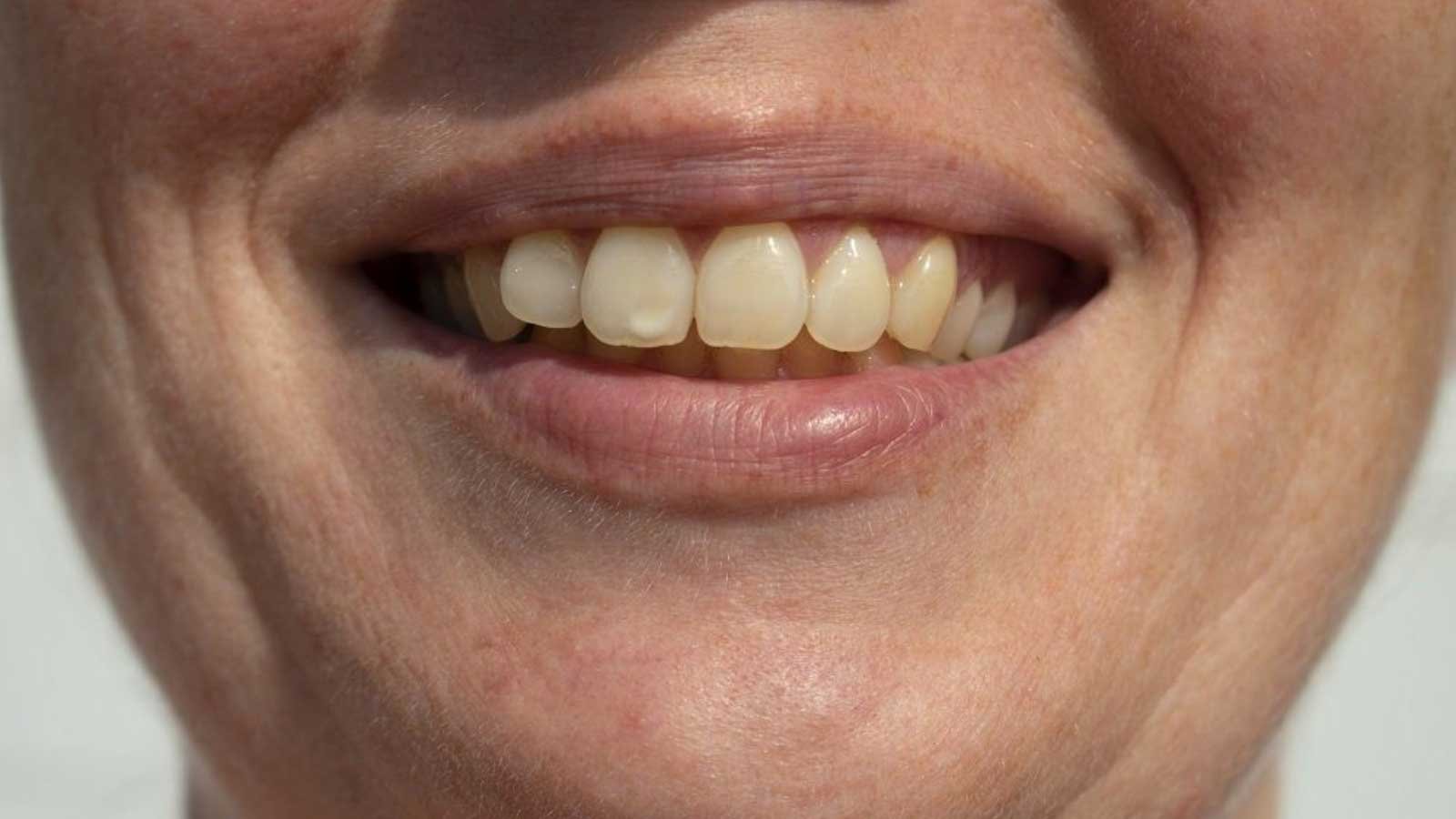
Pretty much anyone, but the reasons shift depending on your age. Kids tend to get them from developmental stuff, fluorosis, MIH, that kind of thing, plus the usual sugar-and-snacking factor. Teens with braces or aligners are up next because cleaning around hardware is genuinely a pain. Adults usually pick these up from acidic drinks, dry mouth, or skipped checkups. Older adults often deal with medications that dry the mouth out, which is frequently the culprit there.
Is a White Spot on a Tooth a Cavity?
Sometimes, sometimes not. Here’s the honest answer: a white spot on tooth enamel can be early demineralization, or it can be fluorosis, or a developmental thing that has nothing to do with decay. A white spot is more concerning when it is associated with plaque buildup, becomes rough, or appears to be progressing. If the surface is smooth and intact, there’s still a reasonable shot at reversing it. Once it breaks down, though, you’re looking at a filling, and that’s Restorative Dentistry territory. We’ve also got a full guide on how to tell if you have a cavity if you want to dig deeper into that.
What Happens If You Ignore It
Not much at first, which is exactly the problem. No pain, so it’s easy to forget about. But acid doesn’t stop working just because you’re not thinking about it. Give it enough time and the surface roughens up, darkens toward yellow or brown, and eventually you’ve got an actual cavity. Catching it early is generally simpler and less invasive.
Plaque, Food Debris, or a True White Spot?
People searching “white bits on teeth” or “white stuff on teeth” are often just seeing plaque. Quick gut-check if you’re not sure what you’re looking at: brush thoroughly, rinse, check again under good light. Plaque and leftover food wipe right off. A real white spot doesn’t budge no matter how hard you scrub.
Which Type of White Spot Do You Have?
| Type | Looks like | Shows up | Does it improve? |
| Early demineralization | Dull, chalky | Gumline, around old braces | Often, if caught early |
| Fluorosis | Faint white lines or flecks | Several teeth at once | Permanent, appearance can improve |
| Enamel hypoplasia / MIH | White, yellow, or brown, sometimes pitted | One or a few teeth | Usually permanent |
| Dry-mouth look (not a real lesion) | Temporary chalkiness | All over | Often improves when saliva rehydrates the enamel and the underlying trigger is addressed |
Are White Spots on Teeth Permanent, or Can They Go Away?
Can white spots on teeth go away completely? Depends entirely on the cause, which I know isn’t the answer anyone wants to hear. Early demineralization can genuinely improve. Your enamel is capable of pulling minerals back in when your mouth’s cleaner and there’s fluoride around. That takes weeks, sometimes months, and it doesn’t always disappear completely. Some spots just get less obvious and stop there.
Fluorosis and developmental spots are a different story. That enamel formed that way from the start, so no amount of brushing changes the structure. You can cover it or blend it cosmetically, but it’s not “fixing” it in the sense of reversing anything.
What Does the Dentist Actually Do?
Less than you’d think, honestly. They dry the tooth with air (dry enamel shows problems more clearly), shine a light on it, run a small probe over the surface to feel if it’s smooth or rough. If there’s any worry about decay between teeth, an X-ray might come next.
Then it’s mostly questions. Did you have braces? How’s your fluoride exposure been? Dry mouth a lot? Sipping sugary drinks throughout the day? These answers genuinely matter as much as the physical exam, because together they tell your dentist whether a spot is stable, actively getting worse, or just something you were born with.
What Can You Actually Do About It?
Start simple, escalate only if you need to.
Home Care That Can Help
Brush twice a day with fluoride toothpaste (actually do the full two minutes, most people rush it), flossing daily, and easing off constant snacking and sugary drinks covers the basics. If you do have a soda, rinse with water after and give it half an hour before brushing. High-risk cases might get a prescription-strength fluoride from their dentist.
You’ve probably seen hydroxyapatite toothpaste around lately. It’s getting attention, and early studies look decent, but fluoride still has way more research behind it. Worth asking your dentist which one makes sense for you.
Skip the DIY stuff you see online: charcoal, lemon juice, baking soda scrubs. They’re abrasive or acidic, and honestly they can damage the enamel you’re trying to protect in the first place.
Professional Treatments
If a spot needs treatment for decay prevention or cosmetic reasons, several professional options may be considered depending on the cause and condition of the enamel. Fluoride treatments for early spots. Resin infiltration, which fills the porous area with a clear material so it blends in. Microabrasion, basically polishing off a very thin layer of surface enamel. Dental bonding covers it with tooth-colored resin. Veneers handle the deeper or more widespread cases. Not every dentist offers all of these, for what it’s worth. For the cosmetic side of things, Cosmetic Dentistry covers the options.
Whitening and White Spots
Quick note on whitening: it doesn’t remove a white spot. It lightens the tooth around it, which can make the spot blend in more, or sometimes look more obvious for a few days because whitening temporarily dries out enamel. Ask before you start if you already know you’ve got a spot.
Preventing New Ones
Mostly just consistency, nothing fancy. Brush and floss daily, add an interdental brush or water flosser if you’ve got braces, go easy on the sugary and acidic drinks, and drink water when your mouth feels dry.
For kids specifically, the amount of fluoride matters. The ADA’s MouthHealthy guidance says a rice-grain smear for kids under three, a pea-sized amount from three to six, and to supervise so they spit instead of swallow. Your Pediatric Dentistry visit is a good time to ask if you’re unsure.
And… keep up with checkups. Regular visits catch this stuff before you notice it.
When to Actually Worry
Teeth with white spots aren’t usually urgent. But get it looked at if it’s growing, changing color toward yellow or brown, feels sensitive to hot or cold, feels rough or soft, or the gum next to it looks swollen. New spots showing up right after braces come off are also worth a mention.
Sudden pain or swelling, though, is different. That’s Emergency Dental Care, not a wait-and-see situation.
The Takeaway
There isn’t one single reason for white spots on teeth, and honestly the only way to really know what you’re dealing with is having someone actually look at it. Brushing well, cutting back on acid, and keeping fluoride in the rotation gives early spots their best shot.
If you’ve got a chalky patch you’re not sure about, Allure Dentistry & Aesthetics in Canton, MA can take a look and walk you through it. Book a visit for a real answer instead of guessing from a mirror.
Frequently Asked Questions About White Spots on Teeth
Q1. What do white spots mean, basically?
A small patch of enamel that’s either lost minerals or formed a bit differently than the rest. Plaque acid, braces, dry mouth, and childhood fluoride are the usual reasons.
Q2. Why do adults get them?
Mostly plaque acid, acidic drinks, dry mouth, or leftover marks from braces years ago. Some adults just have mild fluorosis they’ve had forever.
Q3. Can I fix white spots at home?
Early ones, somewhat. Good brushing and fluoride help. Developmental spots, no. And skip the abrasive home remedies; they tend to make things worse.
Q4. Is it normal on front teeth?
Yeah, white spots on front teeth are actually really common, mostly because front teeth show everything. Doesn’t mean anything’s wrong necessarily.
Q5.Why after braces specifically?
Plaque sits around brackets, acid does its thing, and you only see the damage once the hardware’s off.
Q6. Does every white spot need treatment?
No. If it’s smooth, stable, and not bothering you, monitoring is fine. Treat it if it’s growing or causing sensitivity.
Q7. How long until a white spot fades?
Weeks to months for early spots, and even then it might only partially fade. Developmental ones basically don’t fade on their own.
Q8. Can whitening actually cause this?
Temporarily, yes. It dries out the enamel a bit. Usually settles once your teeth rehydrate.
Q9. Do white spots hurt?
Usually not, which is exactly why people ignore it. If it starts hurting or feeling rough, that’s worth getting checked.